
Cratoxylum glaucum
Cratoxylum glaucum
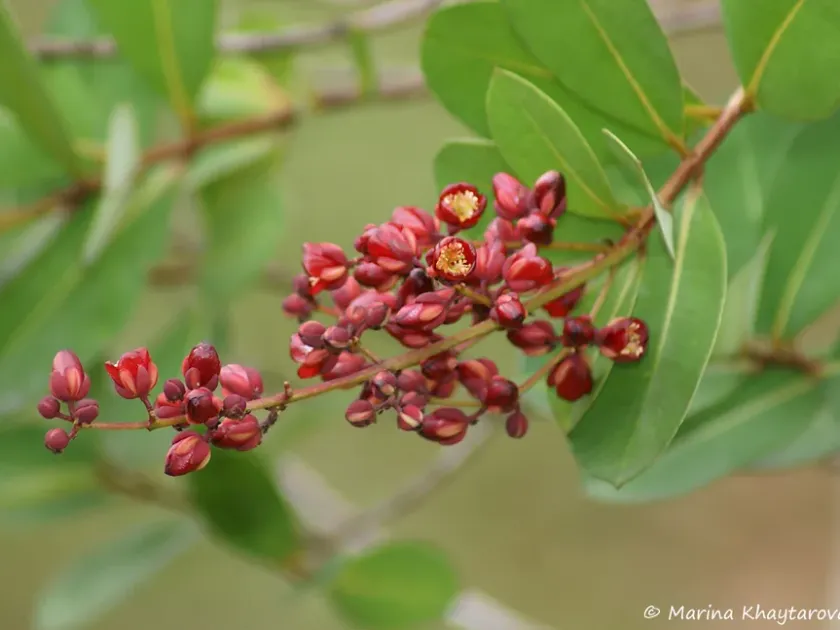
Description
Growing requirements
Cratoxylum glaucum is a distinctive tree species belonging to the Hypericaceae family. It is native to the tropical forests of Southeast Asia, where it thrives in humid environments and contributes significantly to the local biodiversity.
The species requires well-drained, acidic soils to flourish. Proper drainage is crucial to prevent root rot, as the tree is sensitive to waterlogged conditions that can inhibit its growth and overall health in a plantation setting.
Climate requirements include a warm tropical climate with high humidity levels throughout the year. The tree performs best in locations that provide plenty of natural light, although protection from direct sun is advisable for saplings.
Agricultural management of Cratoxylum glaucum involves maintaining consistent soil moisture levels and providing periodic organic nutrition. Growers should focus on creating a forest-like microclimate to maximize the growth rate of this hardwood species.
Economically, the tree is valued for its robust timber, which is utilized in various construction and craft projects. Researchers also explore the potential of its biochemical compounds for pharmacological applications.
Main diseases and pests
The primary threats to Cratoxylum glaucum are fungal pathogens that attack the root system when the soil remains too wet for extended periods. Implementing proper irrigation management is the main preventive strategy against these diseases.
Various tropical insect pests can feed on the foliage, potentially reducing the tree's vigor. Integrated pest management practices, including regular inspection and the use of targeted biological controls, are essential for maintaining healthy stands.