
Cratoxylum cochinchinense
Cratoxylum cochinchinense
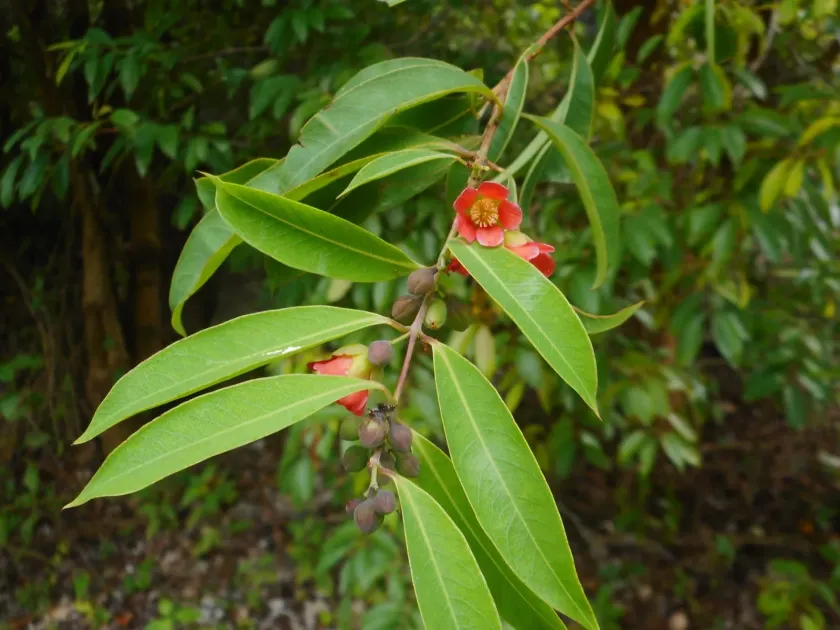
Description
Sowing dates
Propagation of Cratoxylum cochinchinense is primarily achieved through seeds, which should be collected from mature, healthy specimens. Sowing takes place in nursery beds using a mix of sand and compost to ensure optimal drainage and aeration for developing roots.
The seeds possess a hard coat, so pre-treatment such as short soaking in lukewarm water or light scarification can significantly improve germination rates. Temperatures around 25 degrees Celsius are ideal for uniform sprouting.
Seedlings require careful management during the early growth stages, specifically protection from direct, scorching sunlight and heavy rainfall. Maintaining a humid, sheltered environment is essential for the first few months.
Transplanting to individual containers or permanent nursery sites is recommended once the plants reach a height of 20 centimeters. This provides enough space for root system expansion before final field planting.
Regular fertilization with organic compost during the seedling phase supports vigorous growth. Monitoring for consistent soil moisture is crucial, as drying out can be fatal for young saplings.
Growing requirements
Cratoxylum cochinchinense is a member of the Hypericaceae family, known for its resilience and adaptability in tropical and subtropical forest ecosystems across Southeast Asia.
The plant thrives in full sun but maintains a reasonable growth rate in partial shade, making it versatile for various forestry applications. It performs best in regions with high average temperatures and distinct seasonal rainfall.
Soil requirements involve well-drained, acidic to neutral substrates. While it can survive on degraded soils, deeper, nutrient-rich loam soils significantly enhance its overall health and rate of wood production.
This species shows remarkable tolerance to environmental stressors, including periods of moderate drought. However, it requires protection from severe mechanical damage, such as high-velocity winds that can split the branches.
Adequate spacing in plantation settings is vital to ensure proper airflow and light distribution, which in turn reduces the risk of fungal infections within the dense canopy of the trees.
Yield
The primary economic output of Cratoxylum cochinchinense is its high-quality timber. The wood is dense, durable, and naturally resistant to rot, making it a valuable material for construction and furniture manufacturing.
Yield management requires long-term planning, typically targeting a harvest cycle of two decades. Periodic thinning allows the highest quality trees to maximize their diameter and biomass accumulation.
In addition to timber, the tree serves as an excellent candidate for ecological restoration projects. Its ability to colonize secondary forests makes it a natural choice for rehabilitating damaged ecosystems.
Landscaping usage is also significant, as the tree provides excellent shade and displays attractive foliage. It is frequently planted in parks and urban green belts to enhance biodiversity and air quality.
The total yield per hectare is heavily dependent on management intensity. Soil fertilization and proper moisture control during the first three years are the most important factors for success.
Main diseases and pests
Cratoxylum cochinchinense is generally robust, but it can be susceptible to fungal leaf spots if kept in conditions with poor drainage and excessive humidity. Regular thinning of branches can alleviate these issues.
Insect pests, including various caterpillars and borers, may occasionally attack the bark or young leaves. Integrated pest management strategies, focusing on biological controls, are preferred to maintain the health of the plantation.
Root rot represents the most serious threat, usually caused by waterlogged soil conditions. Proper site selection and drainage preparation are the best preventative measures against this problem.
Physical injuries to the trunk must be avoided, as these open wounds serve as entry points for pathogens. Careful handling during maintenance activities is essential for maintaining tree longevity.
Developing a consistent monitoring program allows for the early detection of any health issues. Swift removal of infected parts of the tree can stop the spread of disease to neighboring plants.