
Comparettia speciosa
Comparettia speciosa
Description
Growing requirements
Comparettia speciosa is a miniature epiphytic orchid belonging to the Orchidaceae family. It is native to the cloud forests of South America, specifically Ecuador and Peru, where it thrives in cool to intermediate, high-humidity mountain environments.
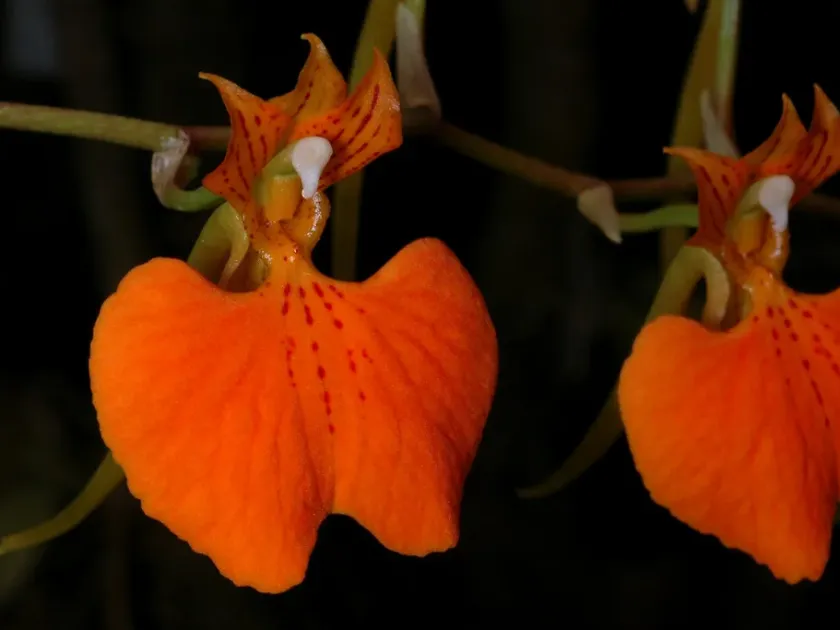
The plant features small, clustered sympodial pseudobulbs that typically bear a single, leathery leaf. Its most striking botanical feature is the pendulous inflorescence, which carries vibrant, bright orange to reddish-orange flowers that are highly prized by collectors.
Cultivation requires specific environmental parameters, primarily focusing on maintaining high humidity levels throughout the year. It is an air-loving plant, meaning it is best suited for mounting on slabs of cork or bark rather than being potted in traditional substrate mixtures.
Temperature management is crucial; the plant prefers cool to intermediate conditions. A consistent temperature drop at night is essential to mimic its natural montane habitat, which promotes healthy growth and prevents the plant from becoming overly stressed or dormant.
Light levels should be bright but filtered to avoid scorching the leaves. Exposure to intense direct sunlight will rapidly damage the plant's delicate tissues, while insufficient lighting will prevent the production of its signature vivid inflorescences.
Main diseases and pests
Common threats to this species include root rot, which is caused by water stagnation in the root zone. Proper air circulation is the most effective preventative measure; stagnant air combined with moisture creates ideal conditions for pathogenic bacteria and fungi.
Pests like spider mites and scale insects represent a significant danger, especially when the plant is kept in dry, indoor environments with poor airflow. Regular monitoring of the foliage and pseudobulbs is vital to identify and address infestations at an early stage.