
Comparettia macroplectron
Comparettia macroplectron
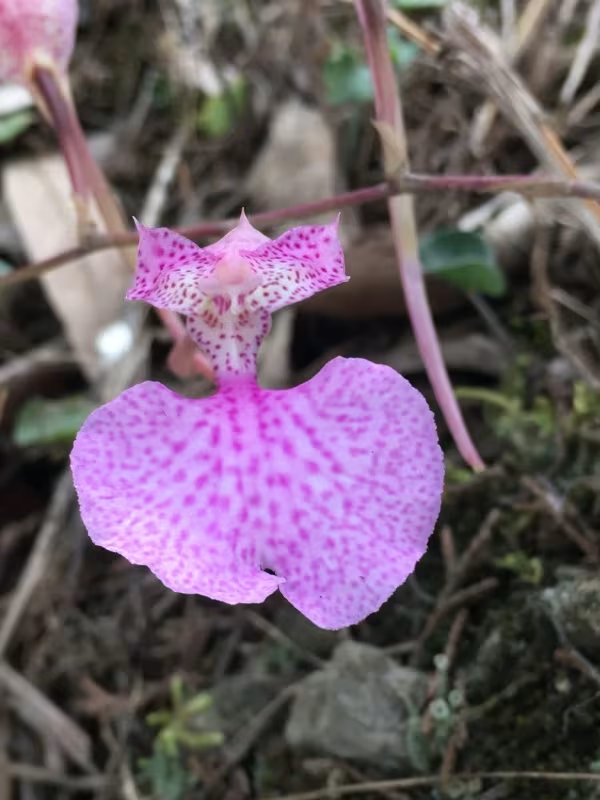
Description
Growing requirements
Comparettia macroplectron is a remarkable epiphytic orchid species belonging to the Orchidaceae family. Native to the cloud forests of Colombia, this plant thrives at mid-to-high elevations where moisture is consistently high and the air remains fresh.
Botanically, this species is defined by its small, clustered pseudobulbs that typically produce a single, leathery leaf. The most striking feature of the culture is its long, pendent inflorescence, which carries several large, vivid pinkish-purple flowers equipped with long, distinct spurs.
To successfully cultivate this orchid, one must replicate its natural mountain environment. It requires cool to intermediate temperatures, with a distinct drop at night to ensure the plant remains metabolically active and healthy.
As an epiphyte, Comparettia macroplectron should be mounted on cork or tree fern slabs rather than planted in standard soil. This mounting mimics its natural habitat, allowing the roots to dry out quickly after irrigation and ensuring proper oxygenation.
Light requirements for this species are moderate; it prefers filtered light and should never be exposed to direct midday sun, which can scorch the foliage. High relative humidity and good air circulation are the most critical factors for long-term successful growth.
Main diseases and pests
Common pests affecting this orchid include scale insects and mealybugs, which tend to hide in the tight spaces between leaves and pseudobulbs. Early detection and mechanical removal are the best defenses against these invaders.
Root rot is the most common physiological disorder caused by excessive moisture and poor drainage. Ensuring that the mounting medium dries effectively is the primary method of preventing the breakdown of the root system.
Red spider mites may appear if the growing area is too dry or lacks adequate air movement. These pests quickly drain the plant's resources, causing yellowing and premature leaf drop if left untreated.
Fungal infections, such as leaf spot, can develop if water accumulates on the leaves for too long. Proper ventilation is essential to ensure that moisture evaporates from the leaf surfaces before pathogens can establish themselves.
Regular maintenance, including the application of organic or chemical pesticides suitable for orchids, helps protect the plant. It is advised to monitor the collection closely, as this species is particularly sensitive to environmental stress.