
Alemow
Citrus macrophylla Wester
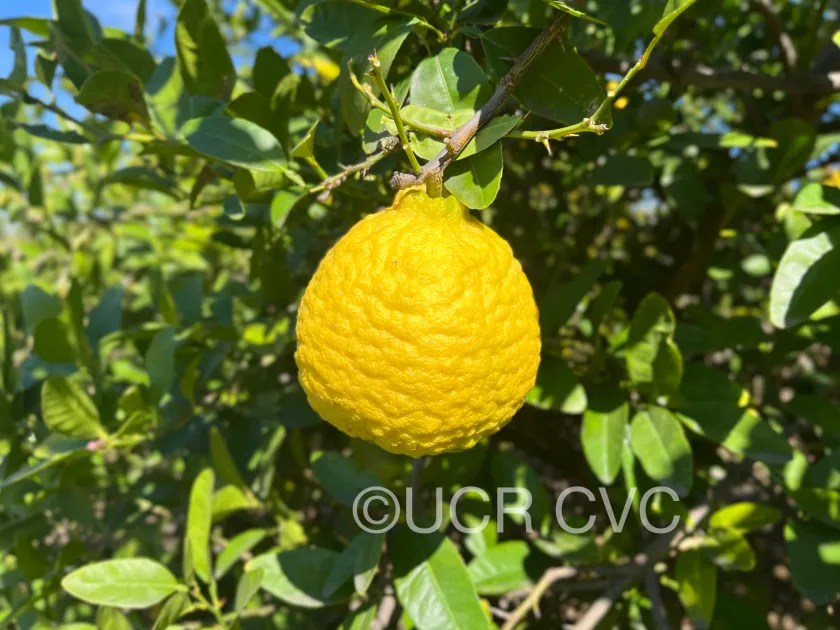
Description
Growing requirements
Alemow, or Citrus macrophylla, belongs to the Rutaceae family. It is a natural hybrid known for its vigorous growth and large, distinctive leaves, originating primarily from the Philippine archipelago.
The plant thrives in tropical and subtropical climates where temperatures remain warm year-round. It is not frost-tolerant and requires protection in cooler regions to maintain its biological functions.
Optimal soil conditions include well-drained, fertile loams with a slightly acidic to neutral pH. Proper soil structure is essential to prevent water stagnation, which can lead to rapid root degradation.
As a widely used rootstock, it is valued by commercial growers for its ability to induce rapid growth and early fruit production in various lemon and lime scion varieties.
Agricultural management requires regular irrigation to ensure constant soil moisture without saturation, combined with consistent fertilization to meet the high nutrient demands of this fast-growing species.
Main diseases and pests
The primary concern for Alemow cultivation is phytophthora root rot. This fungal disease is often triggered by poor drainage and excessive watering, which are critical to manage for plant health.
Pest pressures include citrus whiteflies, aphids, and scale insects, which frequently attack the tender foliage and stems, causing significant damage if left untreated.
Nutrient deficiencies, specifically in trace elements like iron or zinc, can result in leaf chlorosis, weakening the overall plant structure and reducing its efficiency as a rootstock.
To maintain plant health, it is vital to implement an integrated pest management program, focusing on early detection of infestations and using appropriate biological or chemical treatments.
Sanitation practices are essential, especially when propagating. Ensuring that all grafting tools are disinfected helps prevent the spread of systemic diseases that can devastate a citrus orchard.