
Cleopatra mandarin
Citrus reshni hort. ex Tanaka
Description
Growing requirements
Cleopatra mandarin (Citrus reshni hort. ex Tanaka) is an evergreen tree belonging to the Rutaceae family, widely recognized for its utility in citrus agriculture.
Originating in Southeast Asia, this species has been successfully introduced to various tropical and subtropical zones, including Florida, Brazil, and the Mediterranean basin.
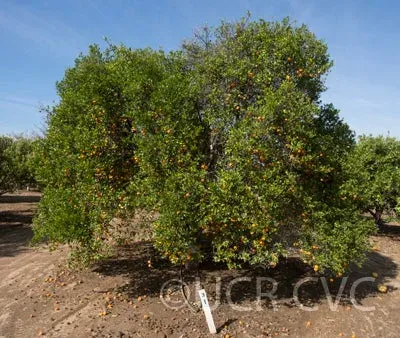
Botanically, the tree is characterized by moderate vigor, a dense canopy, and small, dark green lanceolate leaves that make it distinct among citrus varieties.
The crop thrives in well-drained loamy soils. It is particularly sensitive to waterlogged conditions, requiring careful site selection and soil preparation to ensure root health.
It is well-regarded for its drought tolerance, allowing it to adapt to environments where water supply might be periodic or restricted compared to other citrus species.
Yield
In terms of production, the Cleopatra mandarin is rarely grown for fresh fruit consumption because the fruits are sour and contain many seeds.
Its primary commercial importance lies in its role as a rootstock for commercial varieties of sweet oranges, mandarins, and grapefruits due to its excellent graft compatibility.
Plants grafted onto Cleopatra mandarin rootstock are known for their longevity and ability to maintain consistent yield levels under various environmental conditions.
The fruits are oblate in shape with a bright orange rind, typically harvested when fully mature to extract seeds or for processing purposes.
Agricultural management, including optimal fertilization and irrigation schedules, ensures that the yield of nursery plants and mature trees remains high and commercially viable.
Main diseases and pests
Phytophthora root rot is considered the most significant threat to Cleopatra mandarin, especially in poorly drained or heavy clay soils that retain excessive moisture.
Pest issues often include infestations of citrus scale, spider mites, and aphids, which can severely weaken young trees if not controlled through integrated pest management.
Producers must monitor the health of the trees continuously, applying appropriate fungicides and miticides to prevent outbreaks that could compromise the graft union.
Viruses, such as the citrus tristeza virus, can impact sensitive cultivars, so selecting disease-free budwood for grafting is an essential practice for all citrus growers.
Maintaining clear orchard floors and ensuring good air circulation within the canopy are basic but effective cultural methods to reduce the pressure from fungal and insect pests.