
Schlumbergera Regina
Schlumbergera x reginae McMillan & Orssich
Description
Growing requirements
Schlumbergera x reginae is a natural hybrid of epiphytic cacti belonging to the Cactaceae family. Native to the humid coastal forests of southeastern Brazil, these plants typically grow as epiphytes, attached to the branches of trees in a tropical environment.
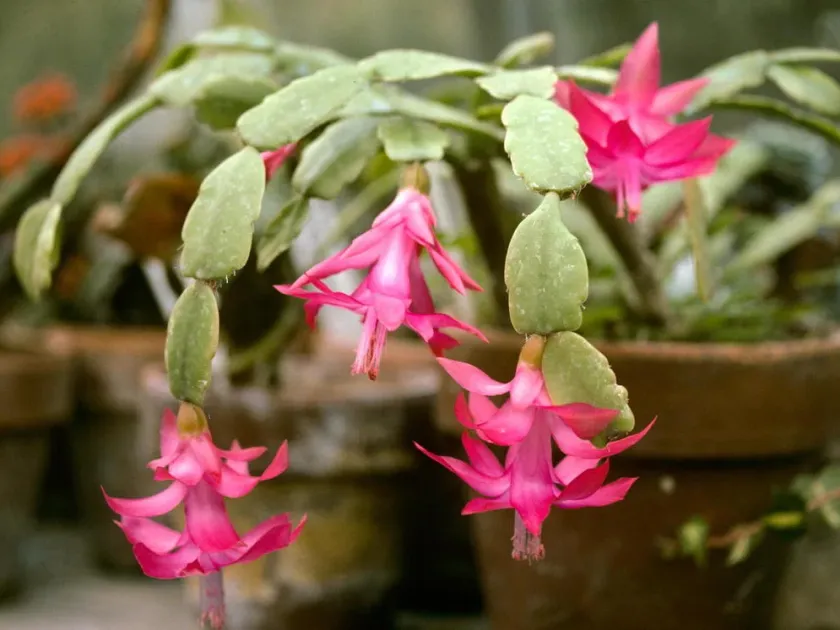
The botanical structure of this species consists of flattened, segmented stems that gradually lignify at the base as the plant matures. These segments are highly efficient at storing water, allowing the plant to thrive in the fluctuating moisture conditions of the forest canopy.
Successful cultivation requires a loose, well-draining potting medium, such as a mix of peat moss and perlite or orchid bark. A proper aeration of the root system is essential to prevent asphyxiation and the development of pathogenic fungi in the substrate.
The plant performs best under bright, indirect light, avoiding harsh direct sunlight that can scorch the delicate segments. Temperatures should ideally range between 18 and 24 degrees Celsius, with a preference for moderate to high humidity throughout the growing season.
Watering practices should balance the need for moisture with the necessity of drying out the top layer of soil. Using distilled or rainwater is recommended to avoid the accumulation of mineral salts that can adversely affect the plant's sensitive root tips.
Main diseases and pests
The primary threats to Schlumbergera Regina include root rot pathogens, which are often exacerbated by overwatering or poor drainage. Once the roots are compromised, the plant may lose its ability to uptake nutrients, leading to rapid stem dehydration.
Mealybugs are a common pest problem, frequently found nesting in the joints between stem segments. These insects suck the plant's sap and produce honeydew, which can eventually lead to secondary infections like sooty mold.
Spider mites are another major concern, particularly in environments with low air humidity. They cause stippling and yellowing of the stems, significantly weakening the plant and inhibiting new segment development if left untreated for long periods.
Effective management of these pests requires regular inspection and the use of insecticidal soaps or systemic treatments when necessary. Maintaining high humidity and good air circulation is a key preventive measure against mite infestations in home or greenhouse settings.
Finally, improper pH levels in the substrate can lead to nutrient deficiencies, manifesting as chlorosis or stunted growth. Monitoring the chemical composition of the fertilizer and substrate is critical for ensuring the long-term vitality of the specimen.