
Citrus x swinglei
Citrus x swinglei Burkill ex Harms
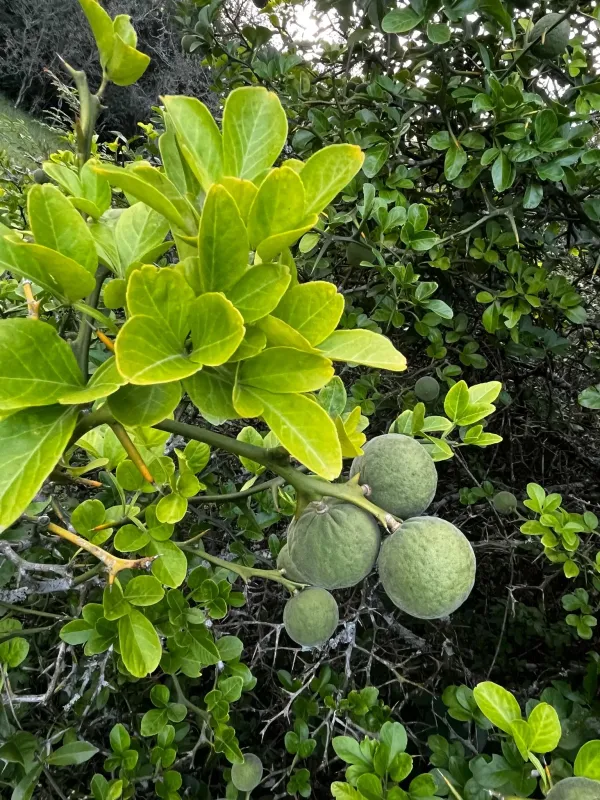
Description
Growing requirements
Citrus x swinglei, taxonomically classified within the family Rutaceae, is a notable citrus hybrid. It derives its name from Walter Tennyson Swingle, an influential American botanist whose work significantly advanced the classification and breeding of citrus species worldwide.
This species thrives in subtropical environments characterized by mild temperatures and ample sunlight. While it exhibits a certain degree of cold tolerance, it is best suited for regions where winters are not severe, ensuring the plant remains healthy throughout the entire annual cycle.
The ideal soil for this crop is well-draining, nutrient-rich loam. Maintaining a proper soil structure is essential, as waterlogged conditions are detrimental to the root health of the plant. Regular monitoring of pH levels is recommended to ensure optimal nutrient uptake from the substrate.
Agricultural management of this species involves consistent irrigation schedules and balanced fertilization programs. Pruning is also a critical component, helping to maintain an open canopy structure, which improves airflow and sunlight penetration to the inner branches of the shrub.
In terms of practical utility, Citrus x swinglei is valued primarily for its ornamental traits and its resilience. It is frequently employed as a hardy rootstock, providing a vigorous foundation for more sensitive or high-yielding citrus cultivars in various orchard settings.
Main diseases and pests
The primary pests affecting Citrus x swinglei include scale insects, spider mites, and aphids. Integrated pest management strategies, such as biological control and the periodic application of horticultural oils, are effective in maintaining tree vigor and yield potential.
Pathogenic threats such as citrus canker or fungal infections like melanose can occur under high-humidity conditions. Ensuring proper sanitation, including the removal of dead or infected debris, is vital for managing the health of the plantation and preventing disease spread.