
Citramquat
(Citrus x aurantium L. var. chrysocarpa (Hassk.) ined. x Citrus trifoliata L.) x Citrus x aurantium L. var. sinensis L.
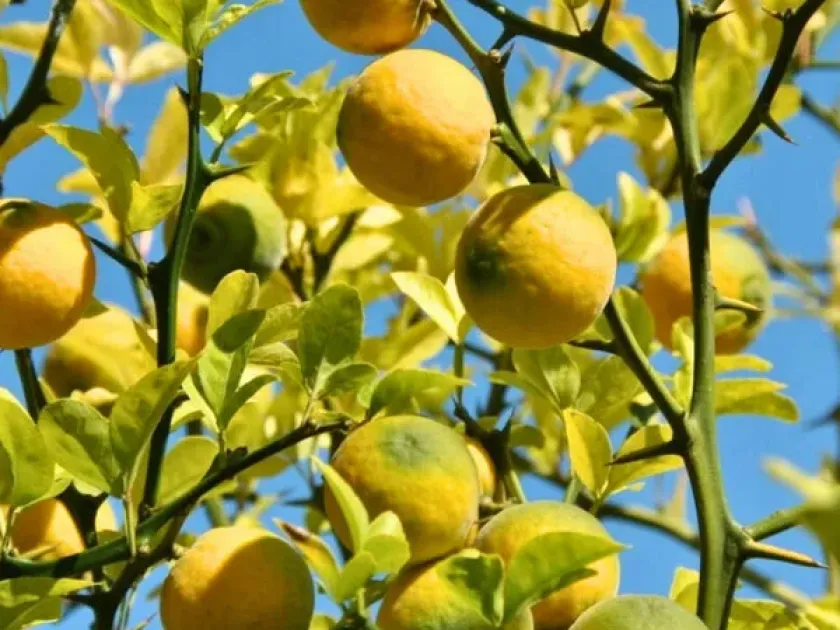
Description
Growing requirements
Citramquat is a complex hybrid belonging to the Rutaceae family, resulting from the cross-breeding of Citrus trifoliata, bitter orange, and sweet orange. This plant is valued for its unique combination of cold hardiness and the fruit quality inherited from its domesticated parents.
The morphology of the plant typically reflects its trifoliate ancestry, featuring resilient stems and specific leaf structures. It is generally recognized for its robust root system, which allows it to thrive in diverse soil conditions provided that adequate drainage is maintained.
Citramquats perform best in well-draining, slightly acidic soils rich in organic matter. They are sensitive to waterlogging, so planting on elevated beds or slopes is highly recommended to prevent root rot and promote healthy gas exchange in the rhizosphere.
Climate-wise, the species is adapted to subtropical environments where winter temperatures are moderate. While the trifoliate parent confers some cold tolerance, protection is still required during extreme frost events to prevent damage to the canopy and maintain long-term productivity.
Standard agronomic practices for this culture include consistent irrigation schedules during the growing season and periodic fertilization with specialized citrus nutrients. Pruning should be performed to maintain structural integrity and ensure sufficient light penetration into the interior of the tree.
Main diseases and pests
Common phytosanitary issues include various forms of fungal infections that affect citrus foliage and bark under high humidity. Proper site selection and canopy management are critical strategies for mitigating these risks naturally.
Pest management focuses on controlling sap-sucking insects like mealybugs and aphids, which can vector viruses or cause stunted growth. Monitoring programs and timely intervention are essential to protect the vitality of the crop throughout the year.