
Citrus tumida
Citrus tumida hort. ex Tanaka
Description
Growing requirements
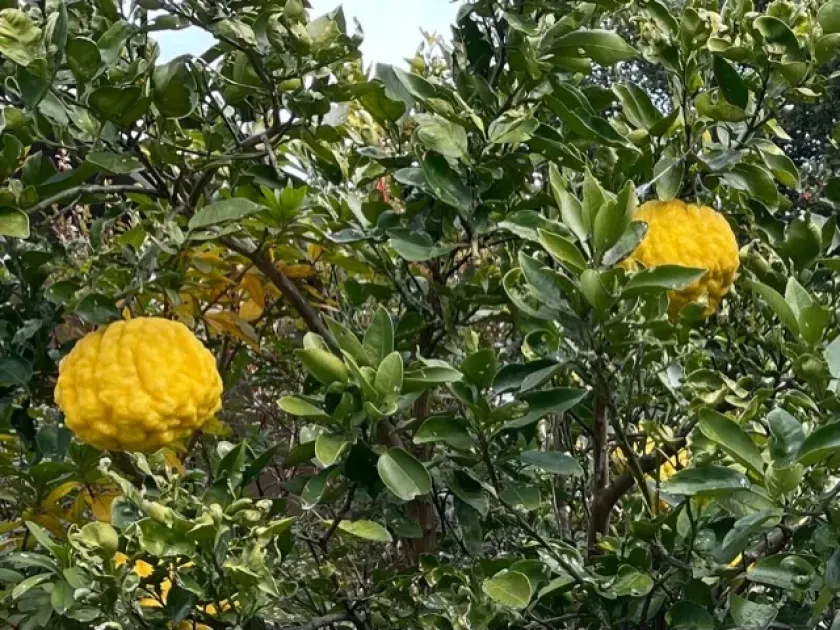
Citrus tumida is a distinct member of the Rutaceae family, known for its unique botanical profile and specific morphological characteristics. This plant belongs to the broader category of citrus, often noted for the peculiar, swelling-like texture of its fruits.
The origin of Citrus tumida is rooted in the regions of Southeast Asia, where it has historically adapted to warm, humid environments. Consequently, successful cultivation requires maintaining a microclimate that mimics these natural conditions, particularly in terms of warmth and air moisture.
Soil requirements for this species include high fertility and excellent drainage. The ideal substrate should be light and aerated, preventing the root system from becoming waterlogged, which is the most frequent cause of physiological decline in this species.
Optimal growth conditions involve exposure to abundant sunlight, which is essential for both vegetative development and fruit quality. If grown in pots or greenhouses, it is necessary to rotate the plants to ensure uniform light distribution and healthy growth.
Agricultural practices for Citrus tumida emphasize consistent irrigation and balanced fertilization. During the active growing season, applying specialized citrus nutrients helps sustain the plant's health and ensures the production of high-quality, characteristic fruit.
Main diseases and pests
The primary pests affecting Citrus tumida are common citrus invaders such as scale insects, spider mites, and aphids. These pests often congregate on the undersides of leaves, causing structural damage and weakening the plant if not addressed promptly.
Fungal diseases like anthracnose and various types of root rot remain significant threats. These are frequently triggered by poor ventilation and excessive soil moisture, emphasizing the need for proper sanitation and careful monitoring of the root zone.
Nutritional deficiencies are another challenge, often manifesting as chlorosis. Providing a balanced supplement of essential minerals, including magnesium and iron, is necessary to keep the foliage vibrant and the plant resistant to secondary infections.
It is vital to monitor the stems and bark for signs of gummosis, a condition commonly associated with stress or fungal infection in citrus trees. Early detection is crucial to implement effective healing procedures before the plant's vascular system is damaged.
Integrated pest management, including the use of horticultural oils and mechanical cleaning, is recommended to keep the plant healthy without relying excessively on harsh synthetic chemicals that could affect fruit development.