
Citronage
Citrus trifoliata L. x Citrus x limon (L.) Osbeck
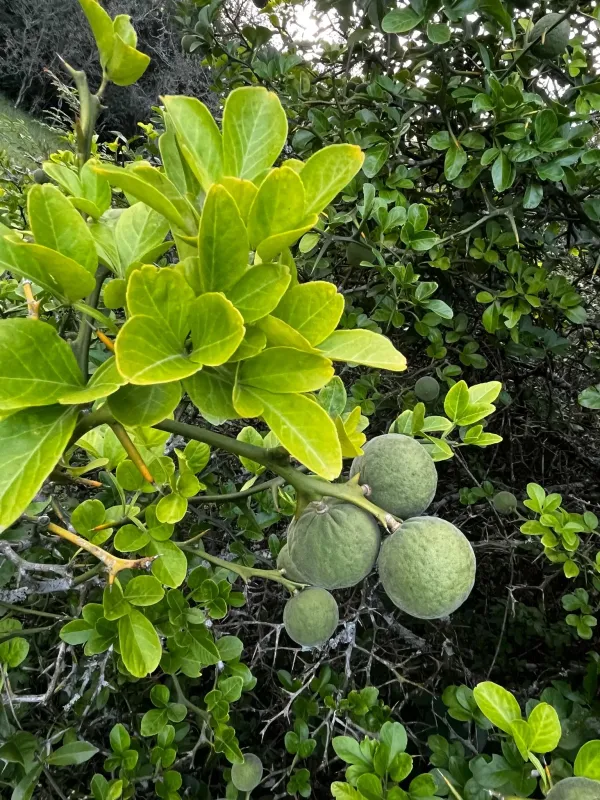
Description
Sowing dates
Citronage (a hybrid of Poncirus trifoliata and Citrus limon) is typically propagated via grafting onto Poncirus rootstocks, which enhances the plant's winter hardiness. The ideal time for grafting is during the spring sap flow.
Seed propagation is also possible; however, seeds must be planted immediately after extraction to maintain viability. They require a warm and well-draining substrate to germinate successfully.
Seedlings or grafted trees should be planted in their permanent location after the risk of late spring frost has completely passed. This ensures a stable environment for initial root establishment.
Choosing the right location is crucial; the plant thrives in full sun but requires protection from cold, drying winter winds to prevent damage to the branches.
During the first year, it is important to provide sufficient moisture and protect the root zone with mulch to help the plant adapt to its new environment.
Growing requirements
This hybrid requires fertile, well-draining soil with a slightly acidic to neutral pH. It is sensitive to waterlogged conditions, which can lead to root system decay.
Citronage is known for its cold tolerance compared to standard lemon varieties, yet in regions with severe winters, it is advisable to provide frost protection for both the roots and the crown.
Consistent watering is necessary during the growing season. However, it is essential to balance soil moisture to prevent both drought stress and root rot caused by overwatering.
Regular fertilization with a balanced citrus fertilizer containing trace elements supports healthy foliage and fruit development throughout the active growth phase.
In cooler climates, many growers choose to keep Citronage in containers, allowing for easy movement into a cool greenhouse or sheltered area during the winter months.
Yield
Citronage fruit generally inherits characteristics from both parents, often possessing a strong aroma and a slightly bitter, tart flavor that makes them less ideal for fresh consumption.
The primary use of the harvest is in culinary processing. The fruit is highly valued for making aromatic preserves, marmalades, candied peels, and unique citrus-based beverages.
The yield potential is influenced by the plant's maturity, sun exposure, and the overall fertility of the soil. A well-cared-for tree will begin producing fruit as it matures.
Pruning is recommended to manage the plant's structure and ensure sufficient light penetration into the center of the canopy, which encourages better fruit set and quality.
Harvesting usually occurs in late autumn. The fruit should be picked when it reaches its full color, ensuring it is collected before the onset of extreme winter temperatures.
Main diseases and pests
Common pests include spider mites and scale insects, particularly if the plant is kept in dry, indoor conditions or during hot, arid summer periods.
Fungal diseases like anthracnose can affect the foliage and stems, especially in conditions of high humidity and poor air circulation within the tree's canopy.
Root rot, typically caused by Phytophthora species, remains a major threat to citrus health. This is almost always associated with poor drainage and improper irrigation practices.
Gummosis, or resinous exudation from the bark, can indicate underlying stress caused by physical damage to the trunk or severe environmental changes.
- Monitor leaf undersides for early signs of infestation.
- Ensure adequate spacing to promote airflow.
- Sanitize pruning tools to prevent the spread of disease.