
Citrus tengu
Citrus tengu hort. ex Tanaka
Description
Growing requirements
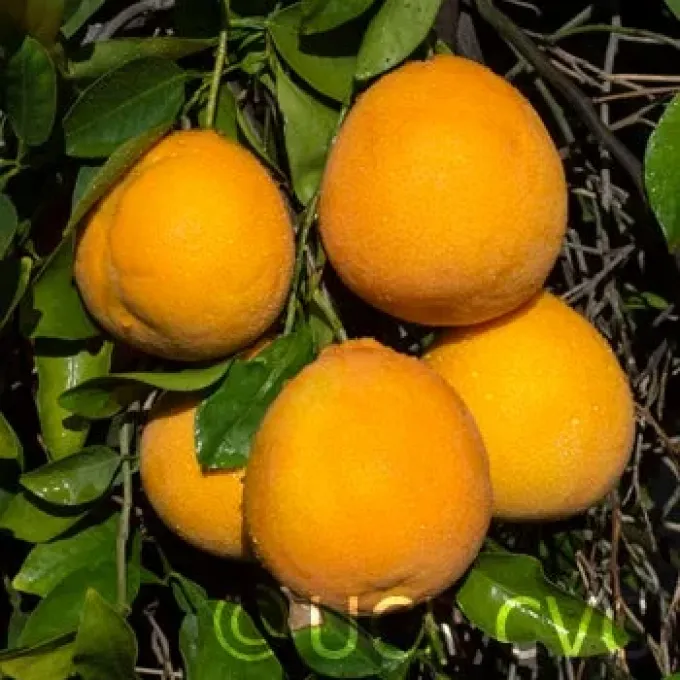
Citrus tengu (Citrus tengu hort. ex Tanaka) belongs to the Rutaceae family and is recognized as a distinctive variety of mandarin citrus. It is primarily known for its unusual morphology, characterized by a protuberance at the base of the fruit, creating a unique aesthetic appearance.
The cultivation requirements for this crop focus on subtropical conditions, where the tree can thrive in warm, frost-free environments. While it can withstand mild temperature drops, sustained cold exposure must be avoided to maintain tree health and ensure consistent fruit production.
Soil management is critical for the success of Citrus tengu. The plant requires well-draining, nutrient-rich soil with a slightly acidic pH level between 5.5 and 6.5. Consistent irrigation is necessary to support development, yet it must be balanced to prevent waterlogging, which often leads to root damage.
Horticultural practices should include systematic pruning to encourage structural strength and ensure adequate light penetration throughout the canopy. This practice is essential for optimizing fruit quality and preventing the development of disease-prone microclimates within the tree.
The economic value of this crop lies in its rarity and specific sensory profile. Primarily utilized as a premium-market fresh fruit, it is a target for high-end produce retailers and horticultural enthusiasts interested in rare citrus genetic resources.
Main diseases and pests
The primary threats to Citrus tengu include common citrus pests such as aphids, scale insects, and spider mites. These pests typically congregate on young succulent growth and the undersides of leaves, weakening the plant if not controlled effectively.
Fungal pathogens represent significant challenges, particularly in humid environments. Species responsible for anthracnose and citrus scab are known to thrive under poor ventilation conditions, affecting both the foliage and the exterior quality of the fruits.
- Implementation of regular canopy pruning to improve airflow.
- Application of horticultural oils or systemic insecticides at the first sign of pest activity.
- Utilization of copper-based fungicidal sprays during the pre-blooming phase to mitigate fungal pressure.
Integrated Pest Management (IPM) is highly recommended. This includes monitoring the population density of beneficial insects that predate on citrus pests, reducing the need for broad-spectrum chemical interventions.
Maintaining the overall vigor of the tree through balanced fertilization ensures better natural resistance to environmental stress and opportunistic infections, which is key to long-term orchard health.