
Citrus tardiva
Citrus tardiva hort. ex Shirai
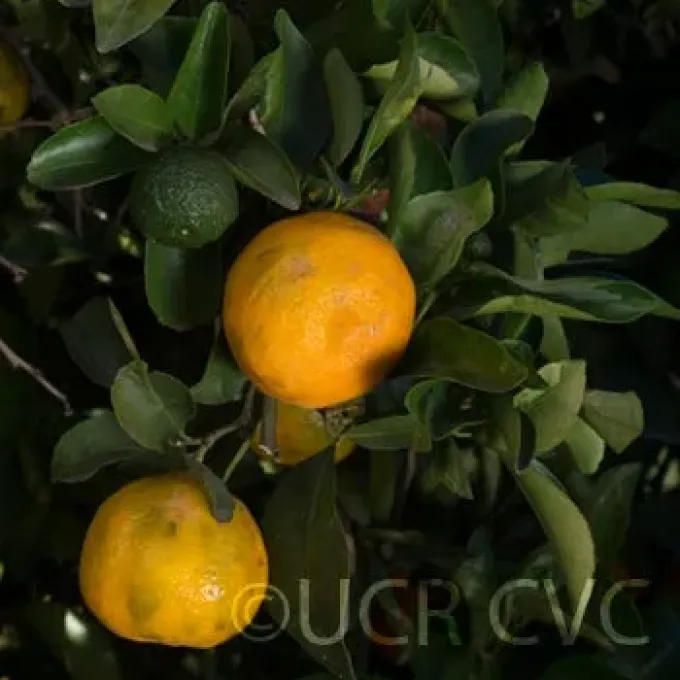
Description
Growing requirements
Citrus tardiva is a member of the Rutaceae family, representing an evergreen citrus variety known for its specific growth requirements and unique fruit characteristics. Originating from subtropical environments, it is widely adapted to regions with consistent warmth.
The plant thrives in well-drained, fertile soil with a slightly acidic profile. Achieving the right soil structure is vital, as the root system is susceptible to waterlogging, which often leads to root rot if drainage is insufficient.
Optimal growth conditions involve exposure to full sunlight and protection from harsh, drying winds. During the peak of the growing season, consistent moisture is necessary, though watering should be adjusted according to environmental temperatures and humidity levels.
Agricultural management requires seasonal fertilization schedules. High-nitrogen fertilizers are essential during the early spring to promote canopy development, while phosphorus and potassium are crucial for fruit set and development in the summer months.
Pruning is an essential maintenance task to keep the tree at an appropriate size and ensure proper light penetration to the inner branches. This practice not only improves structural integrity but also significantly enhances fruit quality.
Main diseases and pests
Common pests affecting Citrus tardiva include spider mites, aphids, and scale insects. These pests can rapidly colonize leaves and stems, leading to severe leaf drop and stunted plant growth if not managed promptly.
Fungal pathogens such as anthracnose and citrus canker are major threats, particularly in high-humidity areas. Proper sanitation, including the removal of dead wood and leaf litter, is the primary defense against these infections.
Integrated pest management (IPM) strategies, including the use of neem oil or insecticidal soaps, are recommended for controlling soft-bodied insects. These methods are generally safer for the environment and maintain the plant's health.
Nutritional deficiencies, especially iron chlorosis, are common when soil pH levels are not optimal. Regular soil testing helps ensure that the necessary minerals are available to the plant, maintaining dark green foliage throughout the season.
Monitoring the tree for signs of stress is key to preventing major outbreaks. Early detection allows for targeted treatments, which are much more effective than remedial measures taken after significant damage has already occurred.