
Citrus suhuiensis
Citrus suhuiensis hort. ex Tanaka
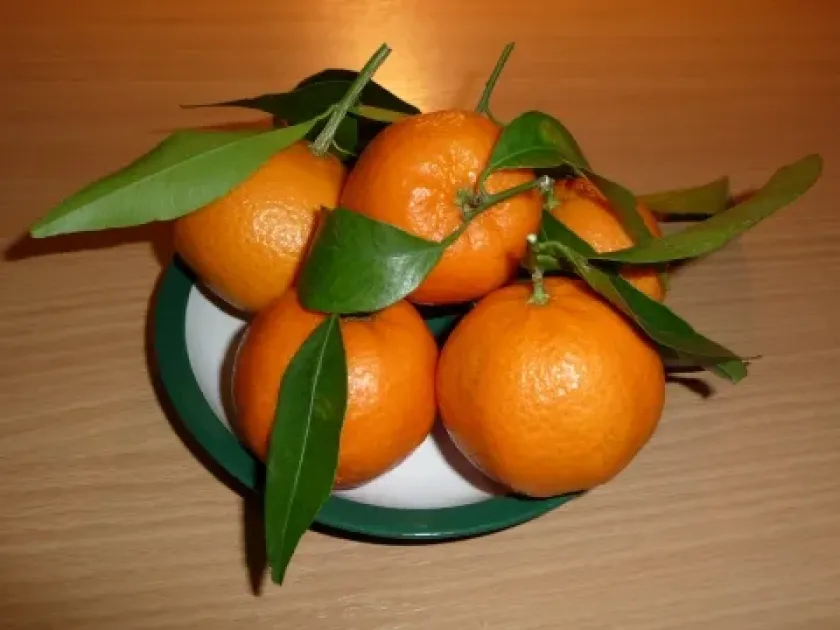
Description
Growing requirements
Citrus suhuiensis hort. ex Tanaka is a prominent evergreen fruit-bearing tree belonging to the Rutaceae family. Native to Southeast Asia, this crop is widely recognized for its excellent culinary and commercial properties.
The plant thrives in warm, tropical and subtropical climates. It requires consistent exposure to sunlight and temperatures that do not fluctuate into freezing ranges, as the tree is sensitive to cold stress.
Optimal soil conditions for Citrus suhuiensis include well-drained, nutrient-rich soils with a slightly acidic profile. Proper drainage is critical to prevent root diseases caused by waterlogging in the root zone.
Agricultural management requires a balanced irrigation schedule aligned with the tree's growth cycles. Fertilization with essential macronutrients, particularly nitrogen and potassium, is vital for high-quality fruit production.
Routine canopy management, including pruning, is essential to maintain tree vigor and health. Pruning allows for better light penetration and airflow, which minimizes the risk of pathogens settling in the foliage.
Yield
Yield capacity is influenced by the specific variety, tree age, and orchard density. High-yield systems require consistent monitoring and precise agricultural practices to maintain longevity.
The fruit is used extensively for fresh consumption and the juice industry. Its nutritional profile makes it a significant crop for local economies in its growing regions.
Main diseases and pests
Key agricultural pests include citrus whiteflies, aphids, and various mite species. These pests can cause significant damage to leaves and young shoots, ultimately reducing the overall tree productivity.
Common fungal diseases, such as anthracnose and citrus scab, represent significant threats to crop health, especially in areas with high annual rainfall and humidity.
Integrated pest management (IPM) is the recommended approach to mitigate these threats, utilizing biological control methods alongside chemical treatments to maintain a sustainable orchard.
Harvesting
Harvesting is typically done manually to ensure the integrity of the fruit. Growers monitor fruit color and sugar content to determine the precise window for picking.
- Selection of mature fruits.
- Use of sharp cutting tools for stem detachment.
- Careful post-harvest handling.
- Storage in cool, ventilated conditions.
- Grading based on size and weight.