
Mandarin orange
Citrus reticulata x Citrus deliciosa
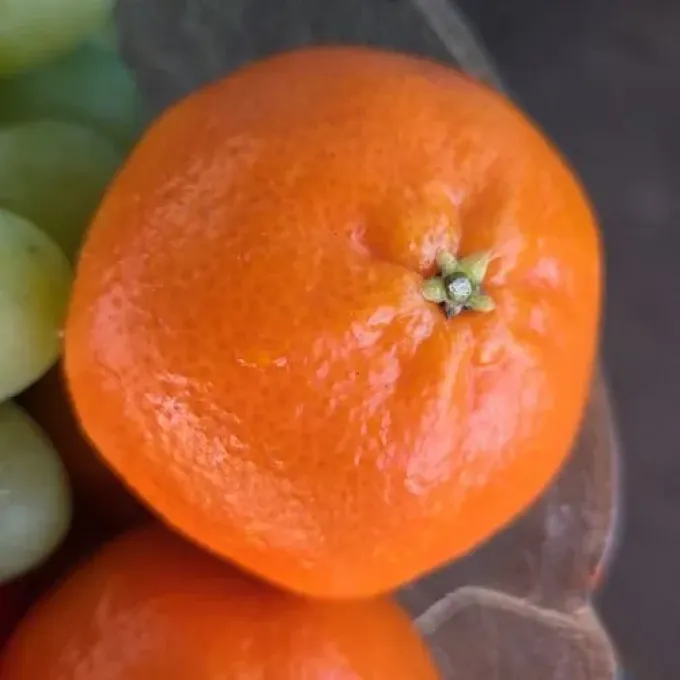
Description
Growing requirements
Mandarin orange (Citrus reticulata) belongs to the Rutaceae family and is a popular evergreen citrus tree. It originated in Southeast Asia and is now widely cultivated in subtropical zones.
The crop requires a warm climate with minimal frost risk. Consistent temperatures between 20°C and 25°C are ideal for the development of both the tree and its fruit.
Soil conditions should be favorable, specifically preferring well-drained, fertile sandy loam or alluvial soils with a slightly acidic to neutral pH level.
Adequate sunlight is essential for mandarin trees to thrive, as shade-grown trees often exhibit reduced flowering and poor fruit quality.
Regular maintenance, including consistent irrigation during dry spells and proper pruning to open the canopy, is crucial for plant health.
Yield
The yield of a mandarin tree depends on variety, tree age, and orchard density. A mature, well-maintained tree can produce 50 to 100 kilograms of fruit per harvest cycle.
Main diseases and pests
The tree is susceptible to common citrus pests such as aphids, spider mites, and scale insects that can cause significant leaf damage and weaken the tree.
Fungal diseases like citrus canker, anthracnose, and root rot occur frequently if soil drainage is poor or if the orchard lacks proper ventilation.
Harvesting
Harvesting is typically done by hand once the fruit skin turns fully orange. Picking is timed to ensure the best balance of sugar and acidity for the market.