
Mandarin
Citrus reticulata Blanco x Citrus hindsii (Champ. ex Benth.) Govaerts
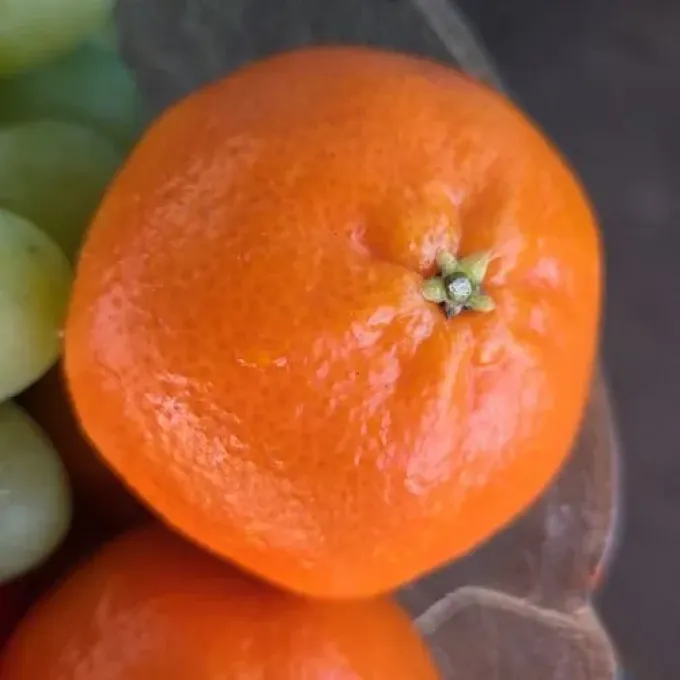
Description
Growing requirements
Mandarin (Citrus reticulata) is an evergreen tree belonging to the Rutaceae family. Native to Southeast Asia, this crop is now grown extensively in subtropical regions worldwide. For optimal development, the tree requires fertile, well-draining soil with a neutral or slightly acidic pH level.
This crop is highly sensitive to temperature and thrives in warm climates, ideally between 20–25°C. While some varieties can tolerate light frosts, sustained exposure to sub-zero temperatures can severely damage the trees. Sunlight is essential, as the mandarin requires high levels of solar radiation for proper growth and fruit development.
Water management is a cornerstone of mandarin production. The plants require consistent moisture, particularly during the flowering and fruit-setting stages. Maintaining relative air humidity at around 60–70% helps prevent fruit drop and ensures healthy foliage development.
Agronomic practices involve regular fertilization with NPK fertilizers to support nutrient-demanding growth stages. Pruning is also essential; it opens the canopy to sunlight, improves air circulation, and makes maintenance and harvesting much easier for agricultural workers.
Beyond fresh consumption, mandarins hold significant economic value in the food processing industry. They are used for juice, essential oils, and flavorings. The versatility of the fruit ensures a stable demand in global markets, making it a highly profitable commercial crop.
Main diseases and pests
Mandarin trees are susceptible to various fungal diseases, including anthracnose and citrus scab. These conditions affect leaves, twigs, and fruit, potentially causing significant yield losses if not managed with timely fungicide applications and proper site sanitation.
Pests are a major concern for citrus growers, with spider mites, scales, and aphids being the most common culprits. These pests feed on the plant's sap, weakening the tree and promoting the growth of sooty mold, which can further impede photosynthesis.
Integrated Pest Management (IPM) is the recommended approach for mandarin orchards. This involves monitoring pest populations, encouraging natural predators, and using selective pesticides only when thresholds are exceeded. Keeping the trees healthy through proper nutrition reduces their vulnerability.
Nutrient deficiencies, particularly iron or zinc chlorosis, can mimic disease symptoms and stress the plant. Regular soil and leaf tissue testing allows growers to correct these imbalances before they impact the overall vitality of the orchard.
Rootstock selection is a critical strategy for disease resistance. Using specific rootstocks, such as trifoliate orange, can provide better tolerance to soil-borne pathogens and enhance the tree's resilience in varying climatic conditions.
Harvesting
Harvesting mandarins is a delicate manual process performed by clipping the fruit from the tree. Using clippers prevents the stem from tearing the peel, which is vital for preventing post-harvest decay and extending the shelf life of the fruit.
Determining the right time for harvest relies on testing sugar-to-acid ratios rather than just color, as some varieties stay green even when fully ripe. Experienced growers monitor these parameters to ensure that only fruit with the best flavor profiles enters the market.
Once harvested, the fruit is graded, cleaned, and packed. Strict quality control ensures that only undamaged, top-tier mandarins reach the consumer. Careful handling at this stage is essential for maintaining brand reputation and minimizing commercial losses.
Cold storage is the standard practice for preserving mandarins after harvest. By maintaining temperatures between 4–6°C and high humidity, distributors can keep the fruit fresh for extended periods, allowing for a steady supply chain regardless of harvest fluctuations.
The efficiency of the harvest operation is crucial for the profitability of a citrus orchard. Proper organization of the harvest crew, combined with optimized logistics, ensures that fresh mandarins reach the distribution centers quickly and in excellent condition.