
Mandarin
Citrus reticulata Blanco x Citrus clementina hort. ex Tanaka
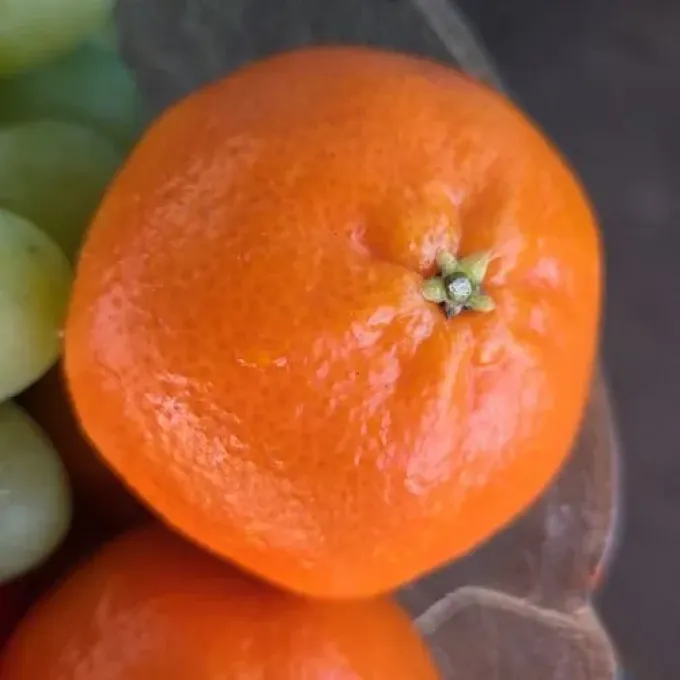
Description
Sowing dates
The mandarin orange belongs to the Rutaceae family and is widely propagated via grafting onto specific rootstocks like Poncirus trifoliata to ensure disease resistance.
Planting in orchard conditions is typically scheduled for early spring, allowing the tree to establish its root system before the onset of high summer temperatures.
When grown in containers, it is essential to use a porous, well-draining potting medium to prevent root rot and encourage healthy nutrient uptake.
The selection of a planting site must prioritize full sun exposure and protection from strong, drying winds that can cause leaf drop and desiccation.
Site preparation involves deep tillage and the incorporation of organic matter to provide a rich, fertile foundation for the young trees to thrive.
Growing requirements
Mandarins thrive in subtropical climates, requiring temperatures between 22 and 25 degrees Celsius for optimal vegetative growth and fruit development.
The soil should be fertile, light, and well-drained, with a slightly acidic pH level between 5.5 and 6.5, which is ideal for nutrient absorption in citrus.
Consistent irrigation is vital, particularly during the flowering and fruit-setting stages, to avoid water stress and ensure proper fruit size and quality.
Adequate sunlight is the primary driver of sugar accumulation in the fruits; therefore, canopy management is essential to maintain light penetration.
In regions susceptible to frost, trees require protection measures, such as orchard heaters or thermal covers, to prevent damage to delicate twigs and leaves.
Yield
Yield potential in mandarins is influenced by tree age, genotype, and the implementation of balanced nutrition programs throughout the growing season.
Proper pruning techniques are essential to maintain an open canopy structure, which facilitates airflow and enhances the quality of the harvested produce.
Productive mature trees can yield significant volumes of fruit annually, provided they are managed to avoid alternate bearing, a common issue in some cultivars.
Monitoring nutrient levels through regular soil and leaf analysis helps to adjust fertilization schedules for maximum yield efficiency and tree longevity.
Effective water management during the pre-harvest period is crucial to prevent fruit splitting and to maintain optimal juice content in the mandarin segments.
Main diseases and pests
Common pests affecting mandarin trees include spider mites, whiteflies, and scale insects, which weaken the plant and can facilitate viral or fungal infections.
Fungal diseases like anthracnose and scab thrive in high-humidity environments, requiring preventative fungicide applications and proper orchard hygiene.
Root-related issues, often caused by soil-borne pathogens, are exacerbated by poor drainage and excessive irrigation, leading to tree decline.
Integrated Pest Management (IPM) practices, including the release of beneficial insects and habitat management, are recommended to control pest populations.
- Regular inspection of leaf undersides
- Removal of infected twigs and debris
- Maintaining tool sanitation
- Ensuring adequate soil aeration
Harvesting
Harvesting is conducted selectively by hand when the fruits reach the desired peel color and sugar-to-acid ratio, indicating peak maturity.
Clippers are used to cut the fruit stem cleanly, preventing mechanical damage to the rind that could serve as an entry point for post-harvest pathogens.
The harvested fruit must be stored in cool, well-ventilated conditions to maintain firmness and flavor integrity before distribution to the market.
Logistical efficiency is key, as mandarin fruits have a perishable nature and require careful handling during sorting and packaging processes.
Post-harvest treatment may involve gentle washing and waxing to enhance shelf life and aesthetic appeal for the final consumer.