
Mandarin
Citrus reticulata Blanco x Citrus australasica F. Muell.
Description
Growing requirements
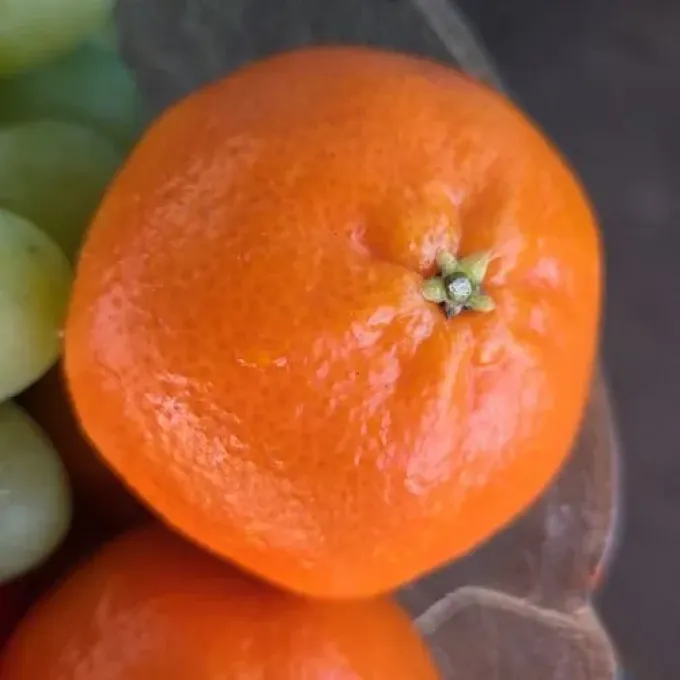
The mandarin is a significant crop within the Rutaceae family, representing a specialized hybrid that combines the characteristics of Citrus reticulata and Citrus australasica. It is highly valued for its fruit quality and adaptability to managed agricultural environments.
Successful cultivation depends on a stable subtropical climate, with temperatures generally ranging from 20 to 30 degrees Celsius. The plant requires abundant sunlight to optimize photosynthesis and fruit sugar accumulation, making site selection critical for orchard establishment.
Soil management must focus on providing deep, well-draining, and nutrient-rich substrates. The preferred soil pH is slightly acidic, typically between 5.5 and 6.5, which facilitates the optimal uptake of essential nutrients like iron and manganese.
Water requirements are significant during the flowering and fruit development stages. Efficient irrigation systems, such as drip lines, are standard in commercial orchards to maintain consistent soil moisture levels without causing waterlogging, which promotes root disease.
Pruning is an essential agrotechnical practice to maintain an open canopy structure. This improves light penetration and airflow, which are crucial for reducing humidity levels around the foliage and ensuring uniform fruit ripening throughout the season.
Main diseases and pests
Common pests affecting mandarins include the citrus red mite, aphids, and various species of scale insects. These organisms can cause significant damage to young shoots and leaves, necessitating integrated pest management (IPM) strategies.
Fungal pathogens such as Alternaria brown spot can severely impact crop yield and fruit marketability. Fungicide applications, coordinated with the plant's phenological stages, are necessary to prevent widespread infection during humid periods.
Citrus tristeza virus is a major concern for growers, often transmitted by aphids. The use of resistant rootstocks is the most effective long-term strategy for preventing losses in large-scale commercial plantations.
Root rot caused by Phytophthora species remains a persistent threat in orchards with heavy or poorly drained soils. Management involves soil amendments and the careful monitoring of water distribution to prevent saturated zones.
Regular monitoring and scouting are essential for the early detection of threats. By employing diagnostic tools and timely intervention with chemical or biological controls, farmers can maintain the health and longevity of their mandarin orchards.