
Mandarin
Citrus reticulata Blanco x C. sinensis (L.) Osbeck x C. temple
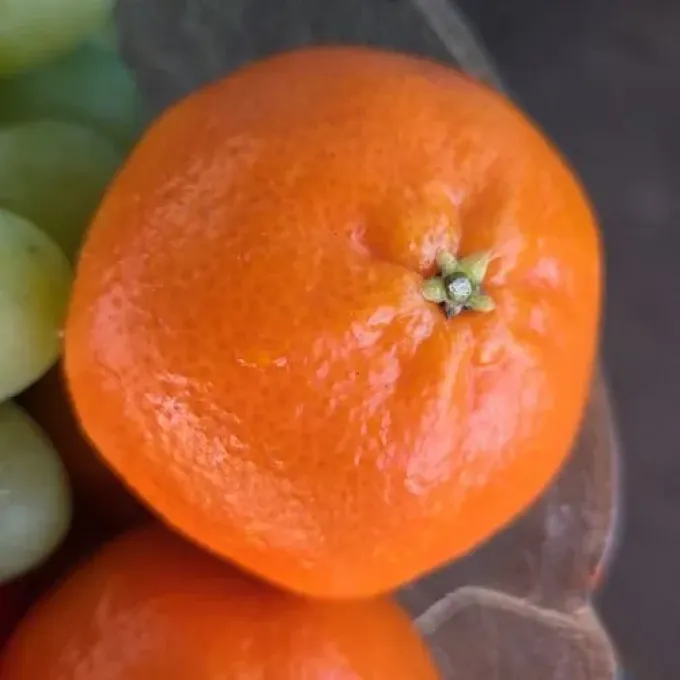
Description
Growing requirements
The mandarin is a member of the Rutaceae family, representing an evergreen woody plant resulting from interspecific hybridization. It is widely cultivated for its edible fruits and serves as an important agricultural crop in subtropical regions.
Mandarin trees thrive in subtropical climates, requiring temperatures between 20 and 30 degrees Celsius during the growing season. They are sensitive to freezing temperatures and require protection in regions prone to frost.
Optimal soil conditions include well-drained, fertile, and slightly acidic to neutral soils. Proper aeration is crucial to prevent root rot, as the root system of the mandarin is highly susceptible to stagnant water.
Consistent moisture management is essential throughout the year. During the flowering period, water stress can lead to fruit drop, while excessive irrigation in winter can damage the plant's health and lead to fungal infections.
Agricultural techniques must include regular pruning to maintain an open canopy structure, which allows sunlight to penetrate the center of the tree and improves air circulation, thereby reducing the prevalence of various pathogens.
Yield
The yield of a mature mandarin tree is influenced by soil nutrition and irrigation management. A healthy, well-maintained tree can produce a substantial crop annually, provided that pollination and nutrient availability are optimal.
Main diseases and pests
Common pests affecting mandarins include aphids, spider mites, and scale insects. Integrated Pest Management (IPM) strategies, including the use of horticultural oils and specific biological controls, are recommended for sustainable production.
Diseases such as citrus tristeza virus, root rot (Phytophthora), and various fungal leaf spots pose significant risks. Maintaining tree vigor and strict sanitation of pruning tools are the primary defenses against these threats.
Harvesting
Mandarin harvesting is typically done by hand, using clippers to prevent damage to the peel. Fruit should be picked when the color has fully developed and the sugar-to-acid ratio reaches the desired level for commercial standards.