
Citrus pseudogulgul
Citrus pseudogulgul hort. ex Shirai
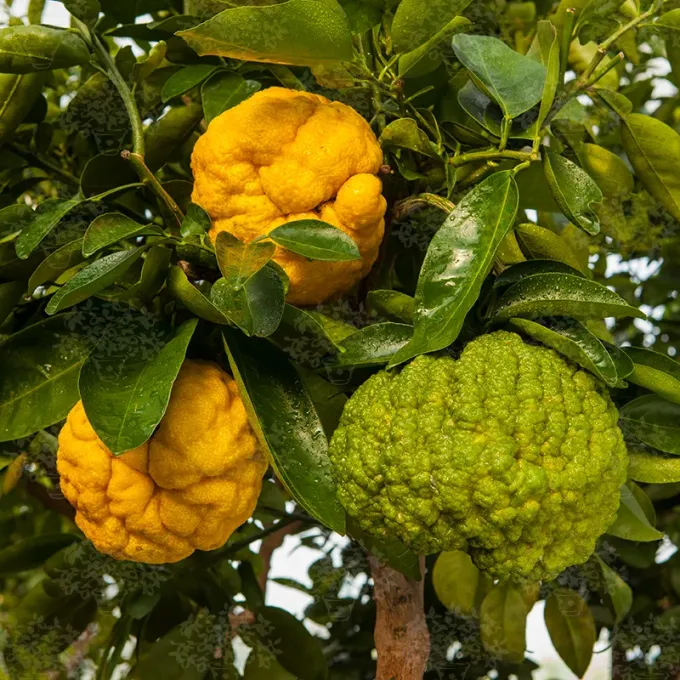
Description
Growing requirements
Citrus pseudogulgul is a distinct plant belonging to the Rutaceae family, recognized in botanical literature for its unique characteristics. Originating from East Asian climates, this citrus type thrives in environments that mimic subtropical conditions.
Climate requirements involve providing a location with consistent temperatures and protection from frost, which is lethal to the development of the plant. High light intensity is necessary, although partial shade is beneficial in extremely hot regions to prevent leaf scorching.
Soil composition must be nutrient-rich and possess excellent drainage capabilities to avoid waterlogging. A well-aerated potting mix containing organic matter and aggregate materials like perlite or grit is essential for healthy root system development.
Agricultural practices for this culture include consistent irrigation, ensuring the top layer of soil dries slightly between waterings. Fertilization should be focused on the growing season, using specialized citrus fertilizers with trace elements.
Pruning is essential for maintaining a desirable tree architecture. Regular maintenance includes the removal of dead or crossing branches, which promotes better air circulation and prevents the development of localized pathogens within the canopy.
Yield
The economic and agricultural utility of Citrus pseudogulgul is currently focused on niche markets, including botanical collections and specialized nursery trade. Its fruits are notable for their unique essential oil profile and potential in hybridization.
Main diseases and pests
Common pests include citrus whitefly, spider mites, and scale insects. These pests can significantly weaken the plant if left unchecked, requiring integrated pest management strategies involving horticultural oils or specific soaps.
Diseases such as root rot and fungal spotting are typical if cultivation conditions are sub-optimal, especially regarding soil moisture. Ensuring proper site selection and maintaining vigorous plant health are the best defenses against these threats.