
Citrus platymamma
Citrus platymamma hort. ex Tanaka
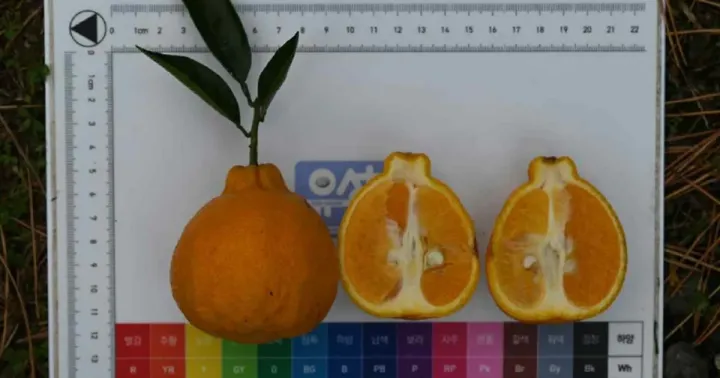
Description
Growing requirements
Citrus platymamma, commonly known in its native regions as a variety of Hira-lemon, belongs to the Rutaceae family. It is an evergreen shrub or tree that thrives in warm, subtropical environments, exhibiting strong vigor.
The tree requires significant sunlight to ensure proper fruit development and sugar accumulation. Ideally, it should be planted in a location sheltered from cold, drying winds, which can stress the tree and reduce crop quality.
Well-draining, fertile soil with a slightly acidic profile is essential for the health of Citrus platymamma. Proper soil management, including mulching and regular testing of nutrient levels, helps optimize the tree's growth cycle.
Effective agrotechnical practices include consistent watering during dry periods, ensuring the roots remain moist but not waterlogged. Balanced fertilization with micronutrients is recommended during the spring and summer active growth stages.
This crop is primarily used for its culinary properties, valued for its acidity and distinctive aromatic oils. The fruit is frequently utilized in traditional beverages, dressings, and culinary preparations requiring a sharp citrus profile.
Main diseases and pests
Scale insects and citrus aphids are among the most common pests affecting this species. These insects can cause stunted leaf growth and attract secondary issues like sooty mold, which impairs the plant's ability to photosynthesize.
Fungal diseases, particularly anthracnose and melanose, can occur during prolonged periods of high humidity. Regular application of preventative copper-based fungicides is often necessary to protect fruit quality.
Root rot, often caused by Phytophthora species, is a significant threat when soil drainage is poor. Ensuring that the orchard floor allows for water runoff is a fundamental preventative measure against these soil-borne pathogens.
Spider mites can be a persistent problem in hot, dry weather. Monitoring the undersides of leaves is critical to identifying early infestations before they lead to severe yellowing and defoliation.
Good orchard hygiene, such as removing fallen leaves and pruning diseased branches, is essential to limit the spread of infections. Clean tools and proper canopy management are vital for long-term tree health.
Harvesting
Harvesting of Citrus platymamma occurs once the fruit reaches the optimal color and firmness, usually indicating the peak of maturity. This timing is essential to ensure the highest juice content and flavor profile.
The use of sharp hand pruners is essential for a clean harvest. Clipping the fruit stem rather than pulling the fruit helps maintain the integrity of the peel, which is crucial for shelf-life and preventing decay.
Once harvested, the fruit should be handled with care and kept in a cool, dark environment. Proper post-harvest storage techniques prevent weight loss and maintain the crispness of the citrus flesh for an extended duration.
The harvest season is typically spread over several weeks, allowing producers to pick fruit at the ideal stage of maturity. Consistent monitoring of the grove ensures that all fruit is picked before it becomes over-ripe.
Sorting and grading the harvest based on size and skin appearance adds commercial value to the produce. Proper preparation for market ensures that the consumer receives a high-quality product consistent with the variety standards.