
Mandarin
Citrus nobilis Lour. x Citrus deliciosa Ten
Description
Growing requirements
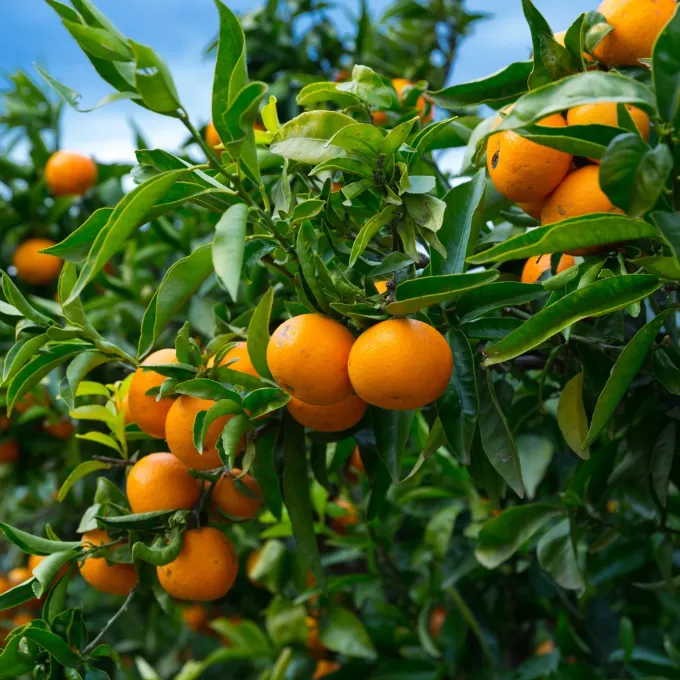
The mandarin (Citrus nobilis Lour. x Citrus deliciosa Ten) belongs to the Rutaceae family. It is a subtropical evergreen tree that thrives in warm, frost-free climates, as temperatures below -7°C can severely damage the trees.
The crop requires abundant sunlight and specific humidity levels to flourish. Ideal growing temperatures are between +22°C and +28°C; however, a slightly cooler period is necessary to stimulate the blooming cycle during the dormant season.
Soils should be well-drained, fertile, and slightly acidic to neutral, with an optimal pH range of 5.5 to 7.0. Waterlogged conditions are detrimental to the roots and should be avoided through proper site selection and drainage systems.
Consistent irrigation is vital, especially during the fruit-set and fruit-enlargement stages. Modern orchards increasingly rely on drip irrigation systems to deliver water and nutrients directly to the root zone with high efficiency.
Regular pruning is a critical aspect of mandarin agronomy. It ensures proper airflow through the canopy, optimizes light penetration, and maintains a manageable tree height for efficient harvesting operations.
Yield
A mature, well-managed mandarin tree can yield between 50 and 150 kilograms of fruit per season. The total output is heavily influenced by tree age, cultivar selection, and the quality of the applied nutrient management program.
Fertilization schedules generally involve balanced NPK ratios, with additional emphasis on trace elements like magnesium, iron, and zinc. These nutrients are essential for healthy leaf production and overall fruit quality.
The harvest period can be extended by selecting different varieties that reach maturity at varying times. Early-season mandarins start ripening in autumn, while late-season cultivars can remain on the tree well into winter.
In high-density planting schemes, orchards may contain hundreds of trees per hectare. This approach requires precise canopy management to prevent overcrowding and to ensure each tree receives adequate resources.
Fruit thinning is often practiced to ensure the remaining fruit reaches a marketable size. By reducing the crop load on heavily bearing branches, growers can prevent biennial bearing and maintain consistent yearly production.
Main diseases and pests
Common pests include scale insects, spider mites, mealybugs, and whiteflies. These pests damage the tree by extracting phloem sap, which can lead to reduced vigor and the growth of sooty mold on leaves.
Fungal diseases like anthracnose and gummosis are significant concerns in humid growing areas. Anthracnose causes necrotic lesions on fruits and leaves, while gummosis targets the bark, leading to sap leakage and structural damage.
Integrated Pest Management (IPM) is the standard approach for controlling these threats. It focuses on monitoring pest populations, using biological control agents, and applying chemical interventions only when necessary.
Sanitation practices, such as removing fallen leaves and pruning away infected branches, help reduce the inoculum load in the orchard. This is an essential non-chemical strategy for maintaining long-term tree health.
Proper nutritional balance helps the tree build natural defenses against diseases. A tree that is under nutrient stress or drought stress is significantly more susceptible to pathogen attacks and pest infestations.
Harvesting
Harvesting is performed by hand using clippers to prevent injury to the fruit peel. Careful handling is essential, as even minor cuts can lead to rapid fungal decay during transport and storage.
Maturity is assessed by skin color change and the brix-to-acid ratio in the juice. Growers monitor these parameters to ensure that only the highest quality fruit is picked for the fresh market.
Post-harvest logistics involve sorting by size, washing, and often applying a food-grade wax coating. Waxing reduces transpiration, keeping the mandarin peel firm and vibrant for a longer period during shipping.
Storage temperatures should be strictly maintained between +4°C and +8°C. Deviating from this range can lead to chilling injuries, such as peel pitting, or accelerated decay due to high metabolic rates.
The use of advanced cold chain technology ensures that mandarins reach the consumer in peak condition. Proper ventilation in storage facilities is also critical to prevent the accumulation of ethylene and moisture.