
Lime
Citrus medica x Citrus limon
Description
Growing requirements
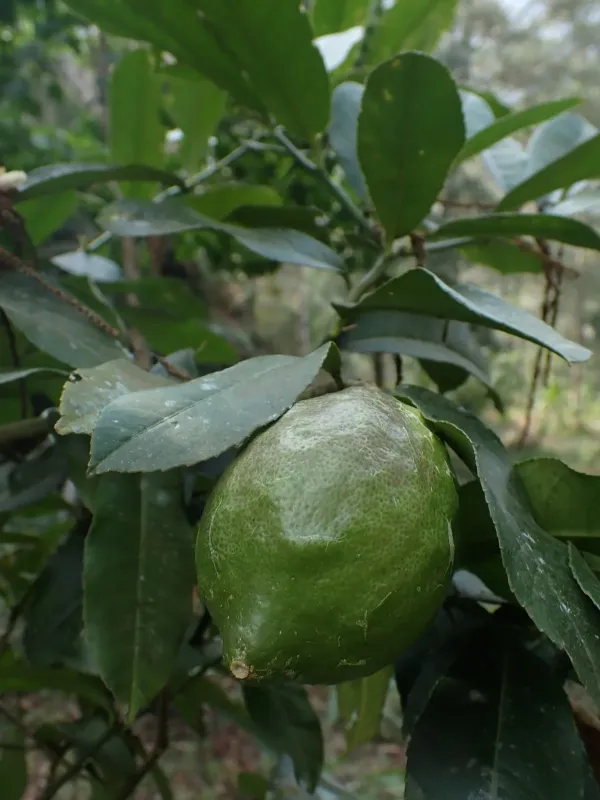
Lime (lat. Citrus medica x Citrus limon) is an evergreen tree or shrub belonging to the Rutaceae family. As a tropical plant, it is extremely sensitive to low temperatures and requires a stable warm climate with temperatures ranging from +25 to +30 °C.
For successful growth and fruit production, the crop needs fertile, loose, and well-drained soils with a neutral or slightly acidic pH level. It is essential to provide intense sunlight, as the plant tends to stretch and lose productivity when grown in shaded conditions.
The plant has a high water requirement but reacts negatively to waterlogging in the root zone. Optimal air humidity is 70–80%, so regular irrigation and canopy misting are necessary during dry periods.
In commercial cultivation, lime is primarily propagated vegetatively via cuttings or grafting onto rootstocks resistant to root rot. This method helps maintain specific variety traits and accelerates the plant's entry into the commercial fruiting phase.
The crop is widely used in the food industry and culinary arts due to its high content of citric acid, essential oils, and vitamin C. Beyond the fruit, the leaves and zest are also valued for applications in cosmetics and medicine.
Yield
The yield of lime directly depends on the tree's age, agronomic management, and variety. A healthy, mature tree under proper care can produce between 50 and 100 kg of fruit annually in intensive orchard conditions.
Young plants typically begin to produce commercial-grade yields 3 to 4 years after being planted in their permanent location. Commercial orchard life generally lasts 20–25 years, after which tree productivity naturally declines.
Regular pruning is employed to increase yield by shaping the crown and stimulating the growth of fruit-bearing branches. Regular fertilization with complex mineral fertilizers, rich in nitrogen and potassium, is also crucial.
Fruit harvest figures vary significantly depending on the growing region, as lime requires specific alternating wet and dry seasons to trigger proper flowering and fruit set.
Modern intensive horticulture techniques allow for high planting density, which significantly increases the volume of marketable produce per hectare compared to traditional farming methods.
Main diseases and pests
The main pests affecting lime include scale insects, spider mites, and aphids, which feed on the sap of leaves and young shoots. Without proper monitoring, these pests can quickly lead to stunted growth and fruit drop.
Among fungal diseases, citrus tristeza is the most dangerous—a viral infection requiring the culling of infected plants. Anthracnose and various types of root rot caused by waterlogged soil are also common problems.
An essential aspect of protection is maintaining orchard sanitation and regular pruning to remove damaged or diseased branches. Preventive treatments with fungicides and insecticides are carried out according to the agronomic schedule.
The root system of the lime is susceptible to phytophthora, so controlling soil drainage is critical. Root damage leads to yellowing of leaves and the gradual drying out of the entire aerial part of the plant.
Integrated pest management (IPM) is recommended to combat threats, combining biological controls with environmentally safe chemical agents that do not accumulate in the fruit.
Harvesting
Lime harvesting is performed selectively as fruits reach their characteristic size and stage of technical maturity. The color of the fruit often remains green even when fully ripe, so growers rely on fruit density and aroma to determine readiness.
Fruits are harvested by hand using clippers, avoiding damage to the bark or branches. It is important to prevent fruits from falling to the ground, as physical bruising drastically reduces shelf life and market appearance.
Immediately after harvest, the produce is sorted by caliber and visual quality. Lime fruits are sensitive to low temperatures during transport, so shipping conditions must include adequate ventilation.
The duration of the harvest period depends on the variety; some lime types can produce multiple harvest waves within a single calendar year if climatic conditions are favorable.
Stored lime should be kept at temperatures of +8–10 °C. Under these conditions, the fruits retain their flavor and market quality for several weeks, allowing for efficient distribution to markets.