
Citrus lumia
Citrus lumia Risso
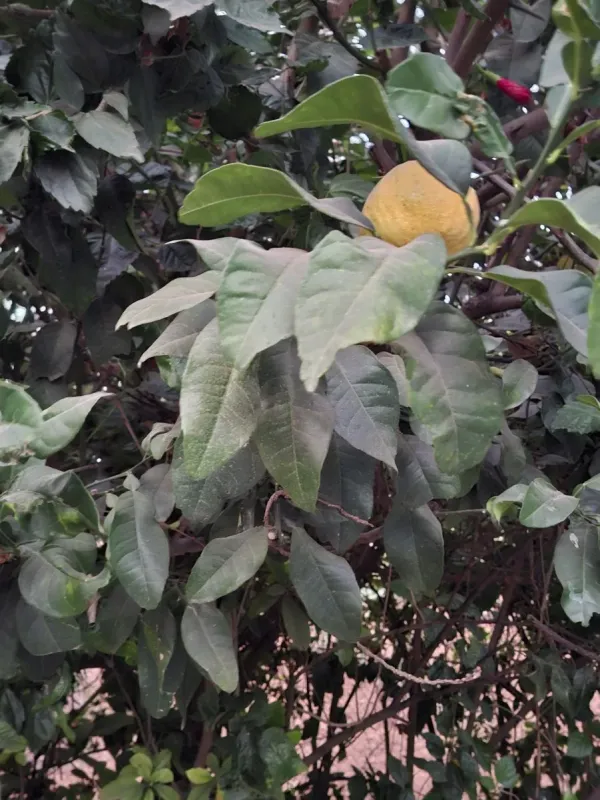
Description
Growing requirements
Citrus lumia, commonly known as the pear lemon or French lime, belongs to the Rutaceae family. This evergreen tree displays morphological traits intermediate between a true lemon and a citron, making it a distinct agricultural cultivar.
The crop thrives in subtropical climates with mild winters and stable temperatures. It is traditionally cultivated in Mediterranean regions, where high levels of solar radiation support consistent fruit development and maturity.
Optimal growth requires fertile, well-drained soils with a neutral or slightly acidic pH. Waterlogging is detrimental to the root system, so proper drainage using expanded clay or gravel is essential during the planting process to prevent root rot.
Being light-demanding, this plant requires sunny locations protected from cold winds. In temperate regions, successful cultivation is possible only within greenhouses or conservatories that provide a controlled environment throughout the year.
Effective agrotechnics involve regular watering during the active growth phase and the application of balanced mineral fertilizers. Fertilization should be carried out from March to September, balancing nitrogen for foliage growth with phosphorus and potassium for fruit quality.
Main diseases and pests
Major threats to Citrus lumia include common citrus pests such as scale insects and spider mites. High humidity fluctuations can also trigger infestations of mealybugs, which require immediate treatment with appropriate insecticides.
Fungal diseases like anthracnose and scab often emerge under conditions of excessive moisture and poor air circulation within the canopy. Regular sanitary pruning is necessary to maintain proper airflow and reduce the risk of disease spread.
Root rot remains one of the most serious threats, often resulting from overwatering or inadequate substrate quality. Control measures include strict adherence to irrigation schedules and the use of systemic fungicides when symptoms appear.
Leaf chlorosis is another frequent issue caused by deficiencies in micro-nutrients like iron or magnesium. This can be effectively corrected through the application of chelated micronutrient fertilizers, which ensure rapid plant uptake.
Routine visual inspections of the leaf undersides and new growth are recommended to maintain plant health. Early detection allows for the use of organic pest control methods or targeted treatments before an infestation becomes widespread.
Harvesting
The fruit of Citrus lumia is recognized by its unique pear-like shape and thick, highly aromatic peel, which is prized in culinary applications. Harvesting is performed when the fruit reaches full technical maturity and the skin achieves a vibrant color.
The harvest process is conducted manually using pruning shears to ensure that the peduncle is cut cleanly without damaging the woody shoots. Proper cutting techniques help the plant heal faster and minimize entry points for pathogens.
Post-harvest, fruits require a short ripening period in a cool, dark environment. The thick rind provides excellent shelf life and durability during transport, allowing the crop to be stored for several weeks under favorable temperature conditions.
The commercial utility of this crop is diverse: it is used for producing candied peels, essential oils, and as a base for refreshing beverages. The intense fragrance of the peel is often superior to many standard commercial lemon varieties.
It is important to note that fruit maturation on the tree can be staggered. Selective harvesting of the largest and most fully colored fruits is recommended to maintain a high-quality product and ensure continued vigor of the tree.