
Bigaradia
Citrus leiocarpa hort. ex Tanaka
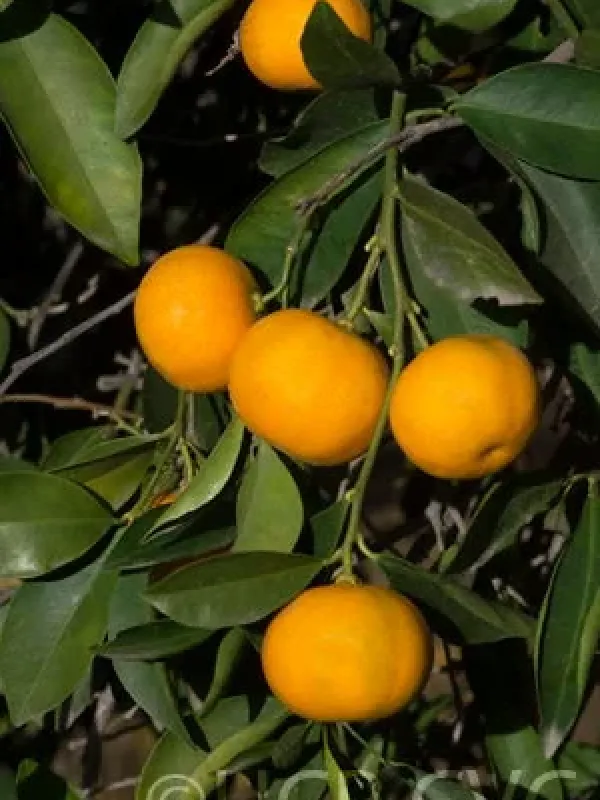
Description
Growing requirements
Bigaradia, scientifically classified as Citrus leiocarpa, is a notable species within the Rutaceae family. It is an evergreen tree known for its resilience and ability to thrive in specific subtropical microclimates, making it an interesting subject for horticultural study.
The crop demands well-drained, nutrient-rich soil to ensure optimal root health and vigorous vegetative growth. Soil aeration is paramount, as waterlogging can cause immediate stress to the root system and significantly inhibit the absorption of essential minerals.
Climatic requirements focus on a balance of warm temperatures and sufficient sunlight exposure throughout the growing season. While it is adaptable to various conditions, the best yield results are achieved when protection from cold snaps is effectively implemented.
Agricultural management requires precise irrigation schedules tailored to the plant's growth phases. Maintaining a balanced nutrient profile through specialized citrus fertilizers is necessary to support the production of high-quality fruit and dense foliage.
In terms of usage, the fruit is widely utilized in the food and essential oil industries. Due to its unique chemical profile, it serves as a raw material for high-grade flavoring agents and traditional medicinal extracts widely used in global markets.
Main diseases and pests
The plant is susceptible to common citrus fungal infections, particularly those triggered by persistent high humidity. Proper orchard spacing and regular pruning are essential strategies to ensure adequate airflow and reduce the incidence of fungal outbreaks.
Pest management focuses on controlling sap-sucking insects like aphids and mites. Integrated pest management (IPM) practices, including the release of natural predators or targeted organic sprays, remain the preferred approach for maintaining tree health and crop safety.