
Citrus kerrii
Citrus kerrii (Swingle) Tanaka
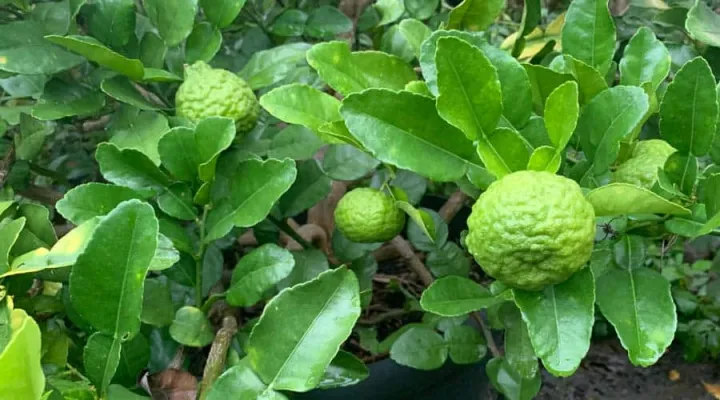
Description
Growing requirements
Citrus kerrii is a rare species of evergreen plant belonging to the Rutaceae family. In its natural environment, this species grows as a small tree or shrub, possessing unique morphological characteristics that distinguish it from commercial lemon or orange varieties.
This species is native to the humid tropical forests of Southeast Asia, specifically in the northern regions of Thailand and adjacent territories. The plant is adapted to a specific microclimate characterized by high air humidity and protection from direct midday sun.
Successful growth of the crop requires fertile, well-drained soils with a neutral or slightly acidic pH level. A crucial condition is the avoidance of waterlogging in the root system, which is critical for maintaining the health of this species under cultivation.
Climate preferences include stable temperatures without sharp fluctuations. The plant does not tolerate frost well and requires protection from cold winds, which is why it is cultivated primarily in specialized greenhouses or conservatories in temperate latitudes.
The agrotechnology of the species involves the regular application of complex mineral fertilizers during the active growing season. As the species is rare, specific intensive cultivation schemes are still being studied by the scientific community.
Main diseases and pests
The main threats to this species include typical citrus diseases such as root rot, which arises from improper irrigation regimes. The plant may also be susceptible to fungal leaf infections in conditions of high humidity without adequate ventilation.
Among pests, the citrus whitefly and various scale insects are the most dangerous, as they feed on the sap of young shoots. These insects reproduce rapidly in indoor environments, necessitating regular monitoring of the leaf surfaces.
The spider mite often attacks the plant during periods of low air humidity, leading to leaf deformation and loss of aesthetic appeal. Pest control must be carried out using specialized acaricides in accordance with established regulations.
Viral diseases characteristic of the Citrus genus can be transmitted via contaminated tools during pruning. Adhering to strict phytosanitary hygiene is the primary method for preventing the spread of infections within a plant collection.
In addition to biological threats, the improper selection of substrate is a frequent cause of chlorosis, caused by a lack of micronutrients. Regular adjustments to the soil mixture composition help maintain the plant's immune resistance.