
Iyokan
Citrus iyo hort. ex Tanaka
Description
Growing requirements
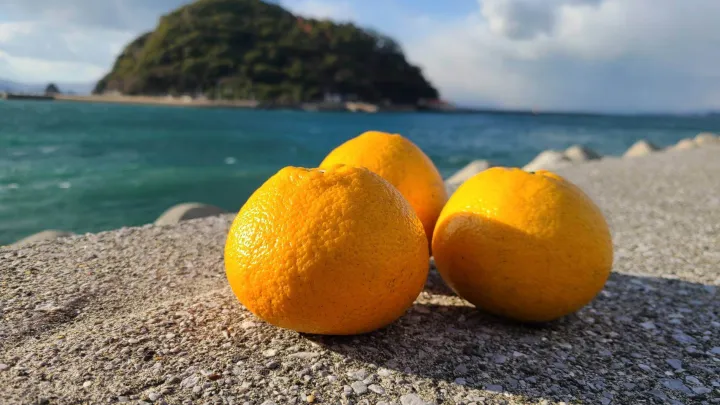
Iyokan (Citrus iyo hort. ex Tanaka) is a significant citrus cultivar belonging to the Rutaceae family. It is widely recognized for its vibrant orange skin, aromatic flesh, and a distinct sweet-tart flavor profile that makes it a premium product in the citrus market.
The climate requirements for Iyokan are strictly subtropical, necessitating areas with moderate winters and warm, long summers. The trees perform best in regions where extreme frost is rare, as temperatures consistently below freezing can cause severe tissue damage and reduce future yields.
Soil management is critical for the success of this crop; trees thrive in deep, well-draining soils with high nutrient availability and a slightly acidic pH. Incorporating organic matter regularly helps maintain soil structure and supports the tree's long-term health and productivity.
Agronomic practices focus heavily on canopy management, including periodic pruning to enhance light penetration and airflow. Proper moisture management through controlled irrigation is essential to prevent physiological disorders and ensure uniform fruit size during the development stage.
The primary use of Iyokan is for the fresh fruit market, though it is also heavily utilized in the food processing sector for juices, jams, and flavorings. Its rind is prized for high concentrations of essential oils, which are used in both culinary and cosmetic applications.
Main diseases and pests
Major pests affecting Iyokan orchards include citrus whiteflies, aphids, and various species of scale insects. These pests can cause significant damage by sucking plant sap and facilitating the growth of sooty mold, which negatively impacts both tree vigor and fruit marketability.
Common diseases, including citrus canker and brown rot, represent significant challenges in humid environments. Effective management strategies involve strict sanitary protocols, such as removing infected plant parts and applying appropriate copper-based fungicides when environmental conditions favor disease outbreaks.