
Kabosu
Citrus inflata hort. ex Tanaka
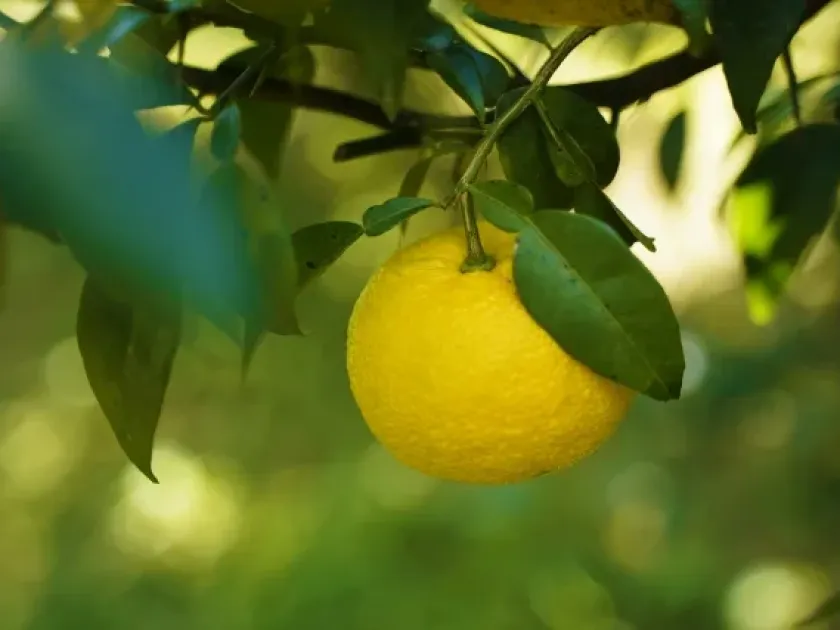
Description
Sowing dates
Propagation of kabosu is primarily carried out vegetatively, specifically through grafting onto rootstocks of other citrus species, such as the hardy orange (Poncirus trifoliata). In natural conditions or when using seeds, planting is performed in early spring in well-warmed, moist soil rich in organic matter.
For successful seed germination and subsequent development of seedlings, it is necessary to maintain a stable temperature in the range of 20–25 degrees Celsius. Young plants are extremely sensitive to temperature fluctuations, so in the first years of growth, it is recommended to keep them in greenhouses or portable containers.
When using grafted saplings, planting in open ground is carried out in regions with a subtropical climate during the spring bud-breaking period. It is important to ensure sufficient distance between trees, usually at least 3–4 meters, to allow for full crown formation and proper ventilation.
Site preparation involves deep plowing and the application of complex mineral fertilizers adapted for citrus crops. The soil should have a slightly acidic or neutral pH, which is a critical condition for the proper absorption of nutrients.
Regular watering in the first weeks after planting is a prerequisite for the survival of the saplings. Later, once a deep root system is established, the plant shows moderate drought tolerance but requires regular irrigation during dry periods.
Growing requirements
Kabosu, belonging to the Rutaceae family, is a typical subtropical crop with high requirements for light conditions. For active growth, the tree requires a large number of sunshine hours, so sites should be as open as possible and protected from strong winds.
The plant prefers loose, well-drained loamy or sandy soils. Stagnant moisture in the root zone is detrimental to kabosu, so if the groundwater level is high, it is necessary to install a high-quality drainage system or plant the trees on artificial mounds.
The temperature optimum for this crop lies between 15 and 30 degrees Celsius. Although the tree can withstand short-term drops in temperature to slightly below freezing, prolonged frosts can damage vegetative organs and reduce yields.
Air humidity plays an important role in fruit development: in dry regions, it is necessary to use overhead irrigation or micro-irrigation systems. High relative air humidity in the summer contributes to better fruit development and reduces the risk of pest infestation.
Good agricultural practice includes systematic pruning, which allows for a compact crown, facilitates harvesting, and ensures sunlight penetration to inner branches. Pruning is carried out in early spring before active sap flow begins.
Yield
The productivity of kabosu depends on the age of the tree, growing conditions, and the cultivation region. Trees begin to produce commercial yields 3–5 years after grafting, gradually increasing volume as the crown expands.
In commercial orchards in Japan, with proper care, a mature tree is capable of producing a significant volume of fruit. Yields are characterized by periodicity, but intensive fertilization with nitrogen, phosphorus, and potassium fertilizers helps to smooth this effect.
To increase yields, it is important to thin the fruit set during periods of overly abundant flowering. This allows the plant to direct resources into the development of larger, higher-quality fruits that command a higher market value.
Fruit quality is determined by the balance of sugars and organic acids, as well as the content of essential oils in the peel. Timely harvesting at the stage of technical maturity, when the fruits still have a greenish hue, is key to preserving their aromatic properties.
Kabosu fruits are traditionally used in Japanese cuisine as a source of juice and zest, so commercial standards include requirements for size, absence of mechanical damage, and skin color saturation.
Main diseases and pests
Like many other citrus crops, kabosu is susceptible to fungal diseases, the most dangerous of which are anthracnose and various types of root rot. Prevention includes adherence to sanitary standards and the use of fungicidal preparations.
Among pests, the citrus whitefly, spider mites, and scale insects cause the most damage. These insects feed on the cellular sap of leaves and young shoots, leading to the weakening of the tree and a decrease in overall productivity.
Pest management is based on a comprehensive approach: applying biological control methods and, if necessary, systemic insecticides. It is important to observe pre-harvest intervals when using pesticides.
Viral diseases, such as citrus tristeza, pose a serious threat to plantations, so the use of certified virus-free planting material is the primary protective measure.
- Regular inspection of leaves and branches.
- Sanitary pruning of affected areas.
- Use of sticky traps to protect against crawling insects.
- Ensuring good air circulation within the crown.
Harvesting
Harvesting of kabosu is primarily done by hand, as the fruit skin is sensitive to mechanical impact. Harvesting begins when the fruits reach the size typical for the variety but still retain the dark green color characteristic of this species.
The harvest period usually falls in late summer and autumn. Fruits are cut using special shears to avoid damaging the stalk and to prevent infection from entering the plant through open wounds.
After harvesting, the fruits are sorted by size and carefully packed. They have a relatively long shelf life when temperature conditions are maintained, allowing them to be transported over long distances for the culinary industry.
Storage of the harvested crop is recommended in rooms with low positive temperatures and moderate humidity, which slows down moisture evaporation and preserves the freshness of the zest.
Commercial use includes the production of concentrated juice, which has a unique sour taste and delicate aroma, as well as the use of dried zest as a seasoning for seafood and meat dishes.