
Hiroshima-mikan
Citrus hiroshimana hort. ex Yu. Tanaka
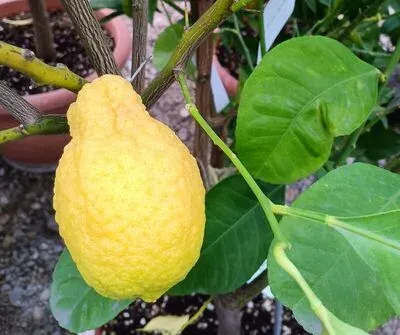
Description
Growing requirements
Hiroshima-mikan (Citrus hiroshimana) belongs to the Rutaceae family and is a specialized hybrid citrus variety originating from Japan. It is a heat-loving, evergreen tree that thrives primarily in mild subtropical climates where extreme temperature fluctuations and hard frosts are avoided.
The crop has high requirements for solar radiation; for optimal growth and high-quality fruit development, the tree needs maximum sunlight throughout the day. Shaded conditions lead to stunted crown development and a significant reduction in overall yield.
Soils for this citrus should be well-drained with a neutral or slightly acidic pH. Heavy clay soils are generally unsuitable without prior amendment, as waterlogging in the root zone quickly triggers the development of severe root rots and fungal infections.
The optimal relative humidity for the plant ranges between 65% and 75%. During dry spells, regular irrigation is essential, but over-watering must be avoided, particularly during the plant's dormant phase, to maintain healthy root activity.
Agronomic management includes systematic application of balanced mineral fertilizers, focusing on nitrogen in early spring to support vegetative growth and potassium-phosphorus blends in late summer to prepare the tree for winter and enhance fruit quality.
Yield
The yield of Hiroshima-mikan depends on the tree's age, planting density, and the precision of horticultural practices. Mature trees, when managed with proper crown pruning and nutritional support, exhibit consistent productivity characteristic of premium Japanese citrus varieties.
The fruit is distinguished by its moderate sugar-acid balance and a specific, pleasant aroma, making it highly desirable for both the fresh market and the processing industry. Regular thinning and shaping of the canopy are vital to prevent excessive shading and promote fruit bud development.
The use of organic mulch around the tree base helps retain soil moisture and provides supplemental nutrients to the roots, which can increase overall output by 15–20% compared to non-mulched orchards.
The fruit is utilized not only for direct consumption but also in juice production and culinary applications, such as zest flavoring. Its durability during handling and transport is a key economic advantage compared to softer, more fragile citrus types.
Peak productivity is achieved when the tree reaches 8–10 years of age, provided that a complete nutritional program is maintained and the plant is shielded from extreme environmental stress factors.
Main diseases and pests
Primary biological threats to Hiroshima-mikan include common citrus pathogens such as anthracnose and various molds, which thrive in high humidity and poorly ventilated canopy environments. These diseases can impact both leaf health and fruit surface quality.
Key pests include scale insects, spider mites, and citrus whiteflies. These pests weaken the tree by extracting sap from leaves and young shoots, often leading to leaf chlorosis, stunted growth, and a significant decrease in photosynthetic capacity.
Integrated pest management (IPM) is recommended, utilizing preventive biological treatments alongside judicious application of insecticides during periods of peak pest population cycles to minimize environmental impact.
Sanitary pruning remains a critical component of crop protection: removing dead or infected branches and clearing orchard floors of debris helps disrupt the life cycles of fungi and overwintering insect populations.
- Regular monitoring of leaf undersides to detect early signs of mite infestations.
- Management of nitrogen levels to prevent overly succulent new growth, which attracts aphids.
- Maintaining optimal spacing between trees to ensure adequate airflow and natural drying of the canopy.
Harvesting
Harvesting Hiroshima-mikan is performed manually once the fruits reach their characteristic color and desired sugar levels. Precision and care are required to prevent skin damage, as any abrasions significantly reduce the shelf life and quality of the fruit.
The harvest season can be extended based on regional climatic conditions, allowing growers to optimize market supply and capture better economic value by timing sales according to peak market demand.
After collection, fruits are graded by size and quality, with damaged or diseased specimens removed immediately to prevent cross-contamination and rot within storage containers.
For long-term storage, fruits are kept in cool, well-ventilated facilities with regulated humidity to minimize water loss and preserve vitamin content, ensuring the product remains fresh for distribution.
Professional agronomists recommend harvesting during the early morning hours when fruit temperatures are at their lowest; this practice preserves post-harvest quality and enhances durability during transport to final consumers.