
Hinds' citrus
Citrus hindsii (Champ. ex Benth.) Govaerts
Description
Growing requirements
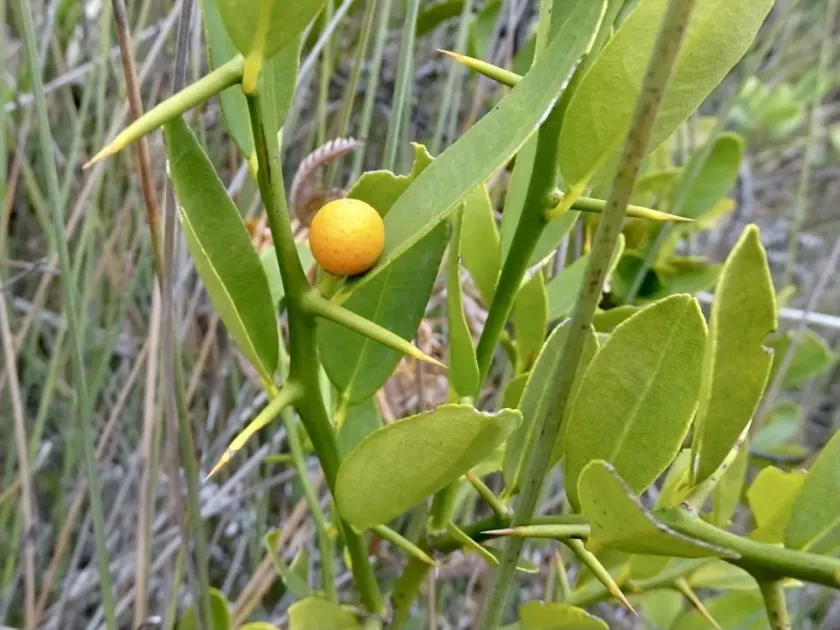
Hinds' citrus (Citrus hindsii) is a rare species belonging to the Rutaceae family, native to Southern China. It is biologically recognized as one of the smallest wild citrus species, characterized by its compact shrubby habit and small, fruit-bearing capabilities.
This species thrives in subtropical environments, requiring high humidity and steady warm temperatures. It is not cold-hardy, meaning it is typically grown as a container plant in temperate regions, often showcased in greenhouse environments or indoor spaces.
The soil requirements involve a well-draining, nutrient-rich substrate with a slightly acidic to neutral pH. Proper aeration of the root zone is critical for the health of the plant, as the roots are highly susceptible to saturation and subsequent rot.
Cultural practices include consistent but careful watering, allowing the soil to partially dry out between applications. Regular fertilization with a balanced citrus-specific feed is necessary during the growing season to support its dense foliage and fruit production.
In terms of usage, Hinds' citrus is highly valued by enthusiasts of miniature gardening and bonsai. Its naturally small leaves and proportional fruit size make it an ideal subject for decorative purposes in limited spaces.
Main diseases and pests
Common pests affecting Hinds' citrus include spider mites and scale insects, particularly in environments with low air humidity. Regular inspections and the use of insecticidal soaps or oils are standard protocols for managing these infestations.
Fungal issues, such as root rot and leaf spot, are prevalent if irrigation management is poor. Ensuring adequate drainage and avoiding wetting the foliage during evening hours helps to prevent the proliferation of fungal pathogens.
Nutritional deficiencies, specifically magnesium and iron, can lead to foliage yellowing and reduced vigor. Foliar applications of chelated iron can provide rapid relief if chlorosis is detected in the younger leaves.
Abrupt environmental changes, such as cold drafts or significant temperature fluctuations, often lead to premature leaf drop. Maintaining a stable environment is essential for the plant to maintain its structural integrity and health.
Prevention remains the most effective strategy against pests and diseases. This includes quarantine of new specimens and maintaining proper plant spacing to ensure adequate air circulation around the canopy.