
Citrus genshokan
Citrus genshokan (Hayata) hort. ex Tanaka
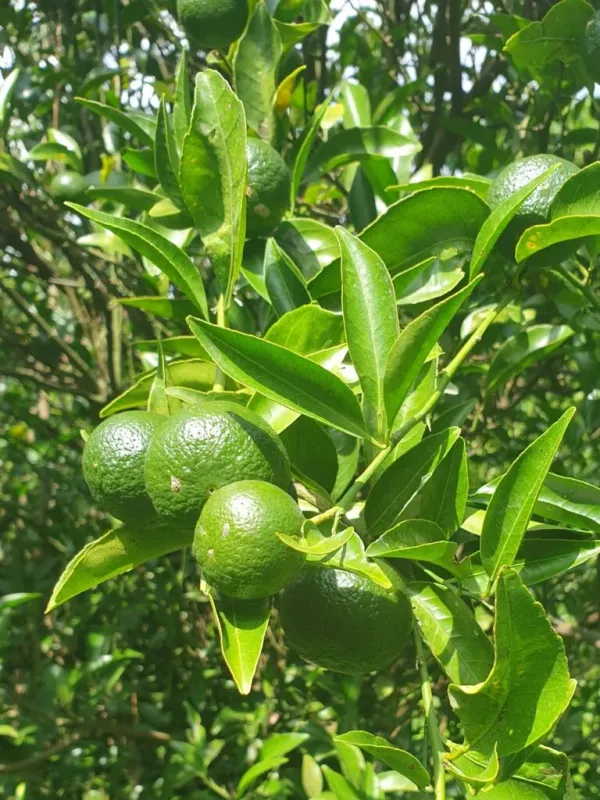
Description
Growing requirements
Citrus genshokan is a distinct species within the Rutaceae family, primarily recognized for its specific botanical traits and adaptation to subtropical environments. As a citrus crop, it shares many morphological features with other members of the genus, showing potential for both edible and ornamental use.
Cultivation of this species requires a stable climate, ideally within the subtropical range, where temperatures do not fluctuate drastically. It thrives in locations that provide high solar exposure, which is necessary for proper canopy development and the successful maturation of its fruits.
Regarding soil requirements, the plant demands well-draining, slightly acidic soil with a pH range between 5.5 and 6.5. Good aeration is vital to prevent root suffocation, especially in regions with high seasonal rainfall, making the choice of location or container drainage a priority.
Agricultural management involves meticulous irrigation scheduling. Consistent soil moisture is required during the flowering and fruit-setting stages; however, the soil must be allowed to dry slightly between waterings to encourage a healthy root system and prevent fungal outbreaks.
Regular fertilization with balanced NPK formulas, supplemented by micronutrients like iron and magnesium, is recommended to ensure robust growth. Proper pruning is also essential to maintain an open canopy structure, allowing light to reach internal branches and improving air circulation.
Main diseases and pests
The primary pests affecting Citrus genshokan include scale insects and aphids, which extract nutrients from young shoots. Integrated pest management, focusing on early detection and the use of horticultural oils, is the most effective way to maintain plant health.
Fungal diseases, such as citrus scab or greasy spot, can occur in humid conditions. Mitigation strategies include maintaining proper spacing between trees and applying preventative copper-based fungicides when environmental conditions favor the development of fungal spores.