
Citrus crenatifolia
Citrus crenatifolia Lush.
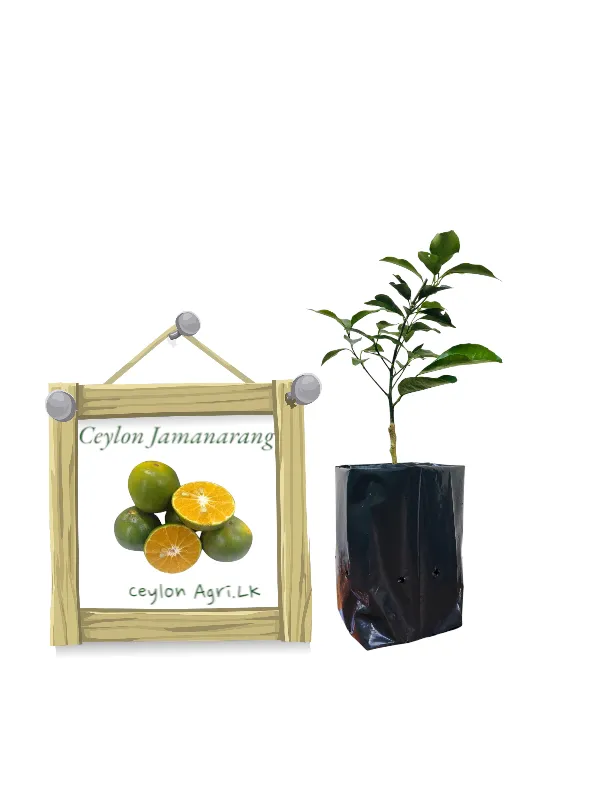
Description
Growing requirements
Citrus crenatifolia Lush. is a perennial evergreen shrub belonging to the Rutaceae family. This distinct species originates from the Southeast Asian region, where it thrives in humid subtropical environments, often found as part of the understory vegetation in tropical forest margins.
The plant requires a strictly controlled climate, preferring temperatures between 20°C and 30°C. It is highly sensitive to cold, and frost exposure can be fatal to the plant. Consequently, successful cultivation is generally limited to greenhouses or mild frost-free climates where specialized care can be provided.
Soil requirements for this culture are specific: it needs a loose, well-draining substrate with slightly acidic to neutral pH levels. Waterlogging must be strictly avoided, as the root system is prone to asphyxiation and subsequent fungal infections if placed in heavy, compact, or water-retaining soils.
Agronomic management involves periodic pruning to maintain shape and encourage air circulation within the canopy, reducing the risk of pest outbreaks. Nutrient management includes regular applications of balanced NPK fertilizers with added chelated micronutrients to support healthy leaf development and flowering.
The primary use of Citrus crenatifolia remains within the scope of botanical research and as a genetic resource in citrus breeding programs. It is rarely grown for large-scale fruit production, though it serves a niche role in ornamental horticulture for specialized greenhouse collections due to its unique foliage.
Main diseases and pests
Common pests associated with this species include citrus psyllids, aphids, and spider mites. These pests thrive in protected environments and can cause significant damage to young shoots and leaves if left unmonitored during the active growth phases of the plant.
Fungal diseases, including root rot and melanose, are frequently triggered by improper irrigation practices and poor aeration. Maintaining a dry foliage surface and ensuring optimal soil drainage are the most effective prophylactic measures against these persistent agricultural threats.