
Clementine
Citrus clementina Hort ex. Tan. x Citrus tangerina Hort ex. Tan
Description
Sowing dates
The clementine (Citrus clementina) is an evergreen fruit tree, a complex interspecific hybrid between the mandarin and the sweet orange, belonging to the Rutaceae family. In commercial agriculture, the crop is primarily propagated through vegetative means, specifically budding or grafting onto rootstocks such as Poncirus trifoliata to ensure resistance to soil-borne pathogens.
Transplanting seedlings into open ground is performed in the spring, once the threat of late frost has passed and soil temperatures have stabilized above 15°C. In subtropical regions, planting material is set into prepared pits enriched with fertile substrate, ensuring adequate space for the root system to develop.
The optimal planting density depends on the chosen rootstock and the training system, averaging between 400 and 600 trees per hectare. It is crucial to avoid burying the root collar, as this promotes root rot and inhibits the vegetative growth of young trees.
When cultivating in containers or greenhouses, repotting is carried out in early spring, prior to the onset of active sap flow. Young plants require annual shifting to larger containers to prevent root deformation and the depletion of nutrients within the growing medium.
Seed-based propagation is rarely utilized in agronomy because the offspring lose the true-to-type traits of the mother tree, making clonal propagation the only reliable method for maintaining the high-productivity characteristics of the hybrid.
Growing requirements
Clementines are highly sensitive to temperature; they are heat-loving plants that suffer significantly if temperatures drop below -2°C. For successful flowering and fruit set, a stable ambient temperature range of 22°C to 30°C is required during the growing season.
The plant thrives in full sun and requires long daylight hours, which is why orchards are established on well-exposed slopes with southern or southwestern orientation. Insufficient sunlight leads to lower sugar content in the fruit and premature fruit drop, which significantly impacts harvest quality.
Soil requirements dictate high permeability and a neutral to slightly acidic pH (5.5–6.5). Heavy clay soils are unsuitable as they retain excess moisture, leading to root asphyxiation and the proliferation of fungal pathogens.
Irrigation must be balanced: trees require regular hydration during the intensive growth phase, while watering should be minimized during the dormancy period. Over-watering inevitably leads to root rot, especially during cooler months.
Nutrient management is essential. Clementines react sharply to deficiencies in nitrogen, magnesium, and iron; therefore, fertilization programs are based on regular applications of complex mineral fertilizers containing chelated micronutrients.
Yield
Clementine productivity depends on varietal traits and the age of the orchard. Grafted trees begin fruiting 3–4 years after planting, but a fully commercial yield is typically realized when the trees reach 7–10 years of age.
The average yield per mature tree under optimal conditions varies between 30 and 50 kilograms of fruit. With intensive farming practices and the use of dwarfing rootstocks, this yield can be significantly increased through higher planting density.
Clementines exhibit alternate bearing tendencies, which requires growers to practice fruit thinning and precise canopy pruning. Removing weak shoots and thinning clusters promotes larger, higher-quality fruit that meets market standards.
Fruit quality is determined by weight, sugar content, acidity, and the absence of seeds (in seedless varieties). High marketability is achieved by providing sufficient potassium fertilizers during the fruit ripening phase.
To prevent harvest losses, soil moisture must be managed carefully, as erratic water availability causes fruit splitting, rendering the produce unsuitable for long-distance transport and storage.
Main diseases and pests
Clementines are susceptible to pests, including the citrus whitefly, scale insects, and spider mites. These pests feed on plant sap, weakening the tree and encouraging the growth of sooty mold on the leaf surfaces.
Among fungal diseases, mal secco is the most damaging, as it causes branch dieback and eventually tree death. Control is difficult, so prevention focuses on using resistant rootstocks and practicing strict sanitary pruning.
Anthracnose and citrus scab frequently affect fruit and leaves in high-humidity conditions. The application of copper-based fungicides at the beginning of the growing season effectively controls fungal spore dispersal and prevents yield loss.
Root rot (Phytophthora) is a consequence of poor irrigation and drainage management. Root infection leads to leaf chlorosis and premature fruit drop, making soil monitoring a critical step in crop protection.
- Preventive spraying with fungicides and insecticides.
- Regular sanitary pruning of damaged shoots.
- Adherence to irrigation norms to prevent water stagnation.
- Monitoring the canopy for pest infestations.
Harvesting
Clementines are harvested by hand using shears. Fruits are carefully clipped with a small portion of the stem attached, avoiding skin damage, which is vital for maintaining shelf life and protecting the fruit from post-harvest infections during transport.
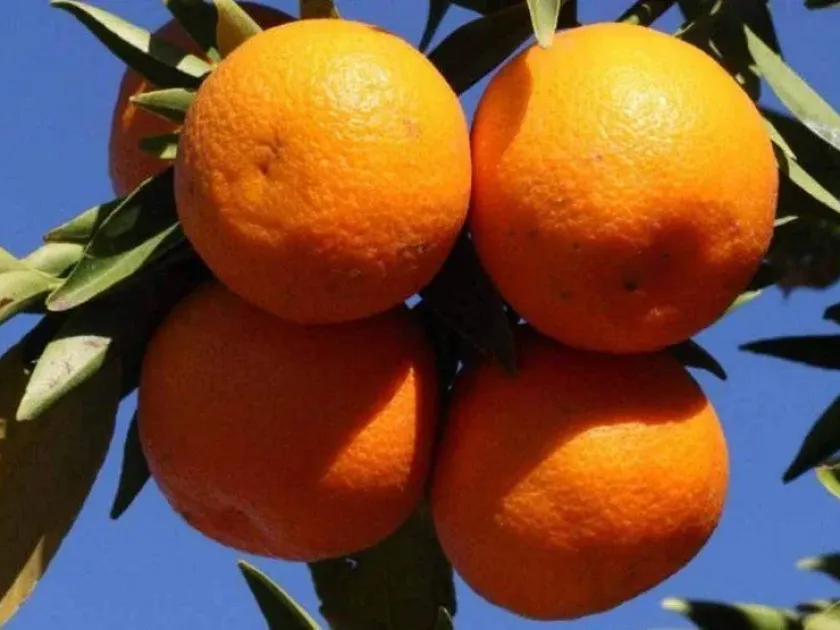
Maturity is assessed by the color change of the rind from green to bright orange and by juice content. While clementines can ripen off the tree, the best flavor profile is achieved when the fruit ripens fully on the branch.
The harvest period varies based on the climatic zone and variety. In some cases, degreening (ethylene treatment) is used to unify the skin color, which helps in accelerating the availability of the product for the market.
After picking, the fruit is graded by size and quality, cleaned of debris, and packed into ventilated crates. Ensuring optimal storage temperatures is essential to slow down respiration and prevent moisture loss.
Adherence to proper harvesting techniques significantly extends the shelf life of the product and minimizes post-harvest losses, ensuring that high-quality clementines reach consumers even weeks after picking.