
Citron
Citrus aurata Risso
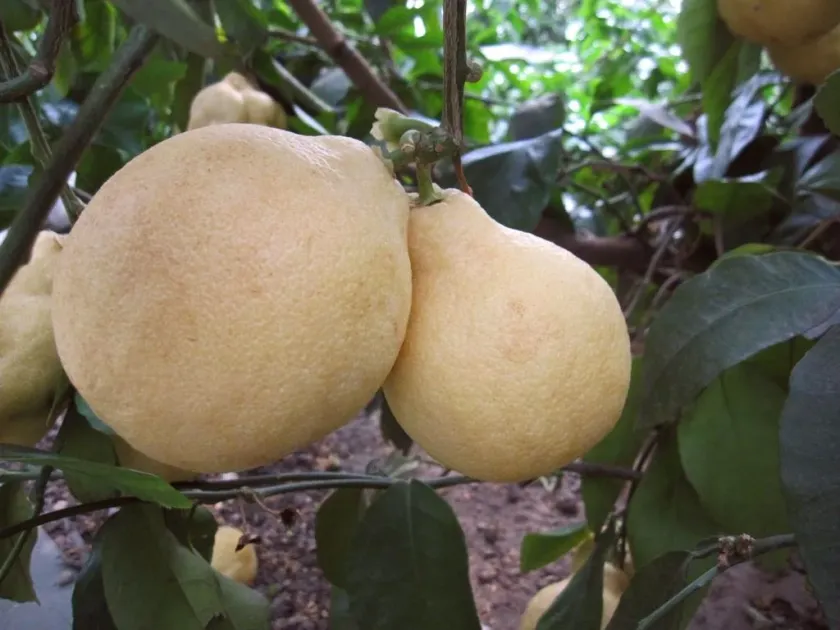
Description
Growing requirements
Citron (Latin: Citrus medica) is an evergreen tree or shrub belonging to the Rutaceae family. It is recognized as one of the oldest species of citrus fruits, originating from the foothills of the Himalayas in Southeast Asia.
The plant is highly sensitive to cold temperatures and cannot survive frost. Successful commercial cultivation is limited to tropical and subtropical regions where temperatures remain consistently warm throughout the year, ideally between 25°C and 30°C.
Citrons require loose, well-draining soil with a neutral to slightly acidic pH. Proper drainage is essential, as waterlogging in the root zone is a primary cause of root rot and subsequent plant decline or death.
In temperate climates, citron is typically grown in greenhouses or as a container plant. It requires abundant sunlight for optimal growth; however, direct midday sun during hot months can cause leaf scorch, necessitating some form of light shade protection.
Agronomic management involves regular application of balanced NPK fertilizers during the growing season. Pruning is necessary to maintain a manageable crown size and to encourage fruit set on the inner and lateral branches of the tree.
Yield
The primary economic value of the citron lies in its thick, fragrant rind, which is rich in essential oils and pectin. Unlike other citrus fruits, the pulp is generally dry and acidic or bitter, making it less suitable for fresh consumption.
The rind is highly prized in the confectionery industry for producing candied peels (citronat), jams, and preserves. It is also a key flavoring agent in the production of liqueurs, soft drinks, and various culinary pastries.
Citron essential oil is utilized in the perfume and cosmetic industries due to its intense, refreshing scent and antiseptic properties. Additionally, the fruit has historical and cultural significance in various religious traditions.
The yield of a mature tree depends on cultural conditions, typically producing between 20 to 50 large fruits per season. Citron fruits are among the largest in the genus Citrus, sometimes reaching significant sizes and weights.
Harvesting is performed selectively when the fruits reach full yellow color and maximum development of the albedo layer. Careful handling is required during harvest to prevent bruising, which can decrease the shelf life and quality of the rind.
Main diseases and pests
The most common diseases affecting citron include fungal infections such as anthracnose and gummosis, which are exacerbated by poor ventilation and high humidity levels within growing environments like greenhouses.
Pest management is focused on controlling common citrus pests such as spider mites, scale insects, and mealybugs. These pests thrive in indoor conditions, feeding on plant sap and weakening the overall health of the tree.
Control strategies involve a combination of biological agents and systemic pesticides. Maintaining hygiene by cleaning tools and disinfecting the soil surface helps to prevent the spread of pathogens throughout the orchard or greenhouse.
Nutritional deficiencies, specifically iron chlorosis, are common and manifest as yellowing of the foliage. This is addressed through foliar feeding with chelated micronutrients to ensure rapid uptake by the plant.
Integrated pest management (IPM) practices, including regular monitoring and maintaining optimal environmental parameters, are essential for preventing outbreaks and ensuring a consistent yield of high-quality fruit.