
Bitter orange
Citrus aurantiaca hort. ex Tanaka
Description
Growing requirements
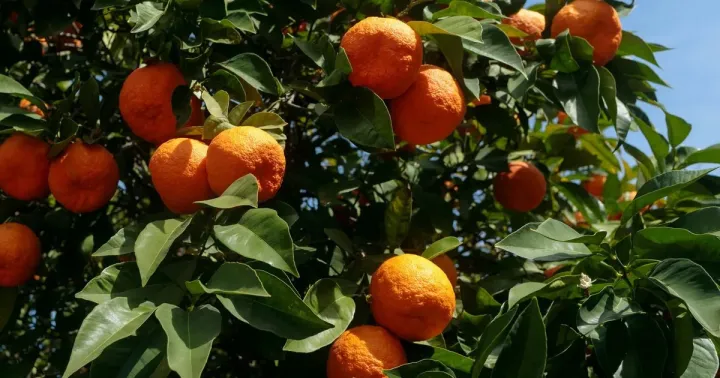
Bitter orange (Citrus aurantium) is an evergreen tree of the Rutaceae family. It is a hardy citrus species originally native to Southeast Asia, which has become naturalized in many tropical and subtropical regions across the globe.
The crop requires a frost-free climate with warm temperatures throughout the year. It thrives in well-drained, fertile soil with a slightly acidic to neutral pH level, which ensures optimal nutrient uptake for healthy growth.
Sunlight is critical for the development of both foliage and fruit. Orchards should be located in sunny areas where trees receive at least 6–8 hours of direct sunlight daily to promote photosynthesis and reduce disease pressure.
Water management is vital, especially during the fruit-setting stage. While the plant requires consistent moisture, excessive watering or poor drainage in the root zone can cause significant damage and root rot.
Agronomic maintenance includes regular structural pruning to improve air circulation within the canopy. A well-managed orchard ensures long-term productivity and maintains the vigor of the trees for many decades.
Yield
Bitter orange is primarily grown for its peel, which is rich in essential oils, and its flowers, which yield the highly valuable neroli oil. The fruit itself is too bitter for fresh consumption, leading to its heavy use in food processing.
Production levels peak when the trees reach maturity, typically between 10 and 20 years of age. A healthy tree can produce a substantial volume of fruit, which is harvested according to the intended commercial end-product.
Harvesting for the perfume industry requires manual labor to collect blossoms without damaging the plant. This high-value aspect of the industry significantly impacts the overall profitability of a citrus orchard.
Effective fertilization and irrigation strategies contribute to sustained yields. Growers often employ fertigation systems to provide precise amounts of nitrogen, phosphorus, and potassium directly to the root zone.
Post-harvest management involves separating fruits based on their use. Peels are often processed immediately to extract essential oils, while the pulp may be diverted for secondary industrial or medicinal purposes.
Main diseases and pests
Citrus pests such as scale insects, aphids, and spider mites represent the most common threat to bitter orange health. These pests pierce plant tissues, causing stunted growth and leaf deformation.
Fungal diseases like citrus canker, anthracnose, and melanose require integrated pest management strategies. Fungicide applications are often necessary during periods of high humidity to protect the trees.
Virus diseases like tristeza are particularly destructive to citrus cultivars. Mitigation involves selecting virus-free rootstocks and controlling the insect vectors that facilitate the spread of these pathogens.
Nutritional deficiencies often manifest as chlorosis or yellowing of leaves. Regular monitoring of soil and leaf tissue allows for timely correction through micro-element applications, such as chelated iron or zinc.
Good agricultural practices, including orchard sanitation and the removal of infected plant debris, are essential to maintaining a healthy and productive grove over the long term.