
Assam lemon
Citrus assamensis S. Dutta & S. C. Bhattach.
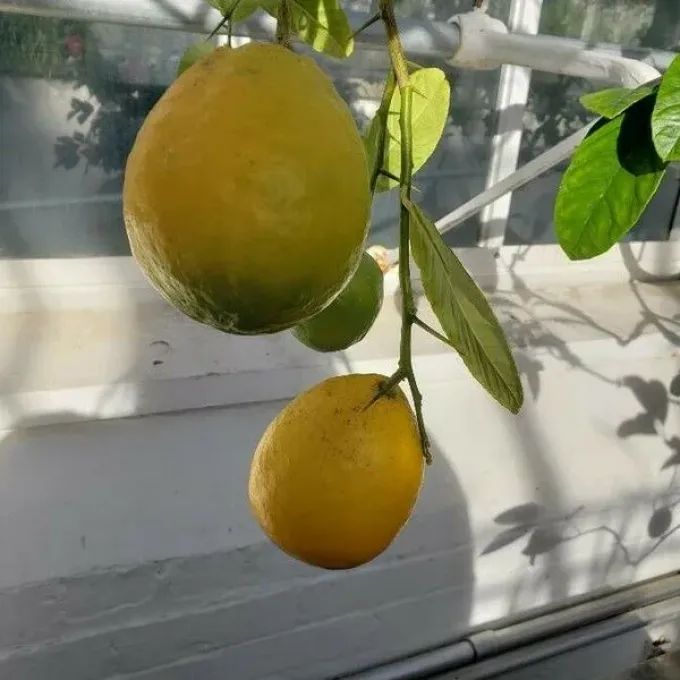
Description
Growing requirements
Assam lemon (Citrus assamensis) is a unique citrus species belonging to the Rutaceae family, native to the Assam region of India. It is a hardy evergreen tree known for its specific chemical profile and distinctive fruit characteristics that differentiate it from common commercial lemons.
The climate requirements for Citrus assamensis necessitate tropical or subtropical conditions with high ambient humidity. The species thrives in areas with consistent precipitation and is sensitive to frost, which limits its commercial cultivation to frost-free zones or specialized greenhouse environments.
Regarding soil, the plant requires well-drained, fertile substrates with a slightly acidic to neutral pH level. Proper irrigation is crucial, as the plant cannot tolerate waterlogging, which often leads to root damage and subsequent decline in tree health.
Agricultural practices for this crop include routine pruning to manage the canopy structure, ensuring adequate light penetration, and improving airflow to prevent moisture-related issues. Consistent monitoring of nutrient levels is required to maintain the productivity of the trees.
In terms of хозяйственное использование, the fruit is utilized in local cuisines, for the extraction of aromatic essential oils, and in traditional medicine practices. Its high acidity and specific volatile compounds make it a niche product for various industrial applications.
Main diseases and pests
Citrus assamensis is susceptible to several fungal diseases, including citrus canker and melanose, which are exacerbated by high humidity and poor garden hygiene practices.
Pests such as citrus aphids, leaf miners, and scale insects are common threats that can significantly reduce the vitality of the plant if not controlled early in the season.
Root rot, typically caused by Phytophthora species, remains a major threat to the long-term survival of orchards, especially when trees are planted in heavy or poorly drained soils.
Viral pathogens like citrus tristeza virus present a severe risk to citrus species; therefore, using certified disease-free rootstocks and scions is an essential management practice.
Effective management includes regular scouting for pest pressure, proper spacing of trees, and prompt removal and destruction of infected plant materials to prevent the spread of diseases.