
Asahikan
Citrus asahikan hort. ex Tanaka
Description
Growing requirements
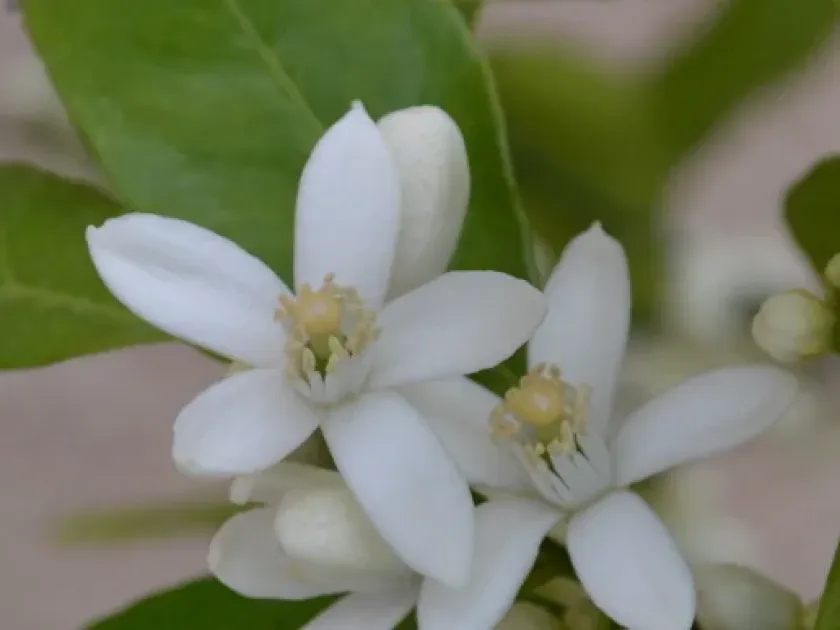
Asahikan (Citrus asahikan) is a rare hybrid citrus belonging to the Rutaceae family. The plant is an evergreen tree valued for its ornamental properties and the specific flavor profile of its fruits, which share characteristics with pomelo or grapefruit.
This crop historically originates from Japan, where it is cultivated in regions with subtropical climates. For successful growth, the tree requires sites protected from strong winds with good access to sunlight throughout the day.
Optimal soil conditions for Asahikan include light, well-drained loams with a neutral to slightly acidic pH level. The plant is highly sensitive to waterlogging, so it is essential to ensure a quality drainage layer in the planting hole.
The crop is heat-loving but capable of withstanding short-term temperature drops. In moderate climates, Asahikan is often grown in containers and moved into greenhouses or conservatories when there is a risk of frost.
Agricultural techniques include regular but moderate watering, as well as the application of complex mineral fertilizers during the active growing season. Pruning is carried out to shape the canopy and remove dense shoots, which promotes better air circulation.
Main diseases and pests
Like most citrus species, Asahikan is susceptible to pests such as citrus whiteflies, scale insects, and spider mites. Regular leaf inspections and timely application of insecticides help to control infestations at early stages.
Among fungal diseases, root rot caused by excessive soil moisture poses the greatest threat. Infections by citrus scab may also occur, manifesting as specific spots on the surface of the fruit and leaves.
Adhering to orchard hygiene rules, including the removal of fallen leaves and disinfection of gardening tools, is critical for disease prevention. Preventive spraying with copper-based preparations at the beginning of the season also helps to strengthen the plant's immunity.
A deficiency in micronutrients, especially iron and magnesium, can lead to leaf chlorosis. In such cases, the application of chelated fertilizer forms is recommended, as they are quickly absorbed by the plant to restore healthy foliage color.
When growing indoors, it is important to maintain air humidity levels to prevent excessive dryness, which promotes the spread of pests. Ventilation of rooms is a necessary procedure to prevent stagnant air.