
Cistanche salsa
Cistanche salsa
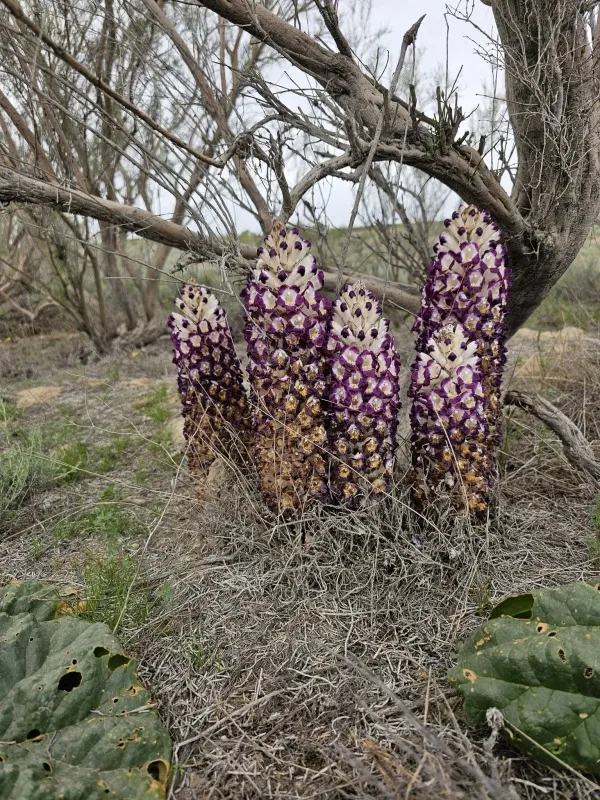
Description
Sowing dates
Cistanche salsa is an obligate parasite, so sowing timing is strictly dependent on the life cycle of the host plant, typically Haloxylon or Tamarix species.
Seeds are sown in natural habitats, preferably during autumn or early spring, allowing the seeds to undergo natural stratification within the desert soil.
The sowing depth must align with the host plant's root system, usually between 30 and 50 centimeters, to ensure effective inoculation and germination.
Artificial inoculation requires high sowing density due to the naturally low germination rate of the seeds in harsh, dry environmental conditions.
Agronomists recommend focusing on younger host plant specimens to increase the chances of successful parasite attachment and subsequent biomass development.
Growing requirements
As a member of the Orobanchaceae family, Cistanche salsa is a perennial herbaceous plant lacking chlorophyll, requiring complete nutrient intake from its host.
The plant thrives in arid and semi-arid environments, such as deserts and saline areas, enduring extreme temperature fluctuations and intense solar radiation.
It prefers highly saline, sandy soils, utilizing its specific osmotic adaptation mechanisms to thrive where other crops would suffer from salt stress.
Well-drained soil is essential to ensure proper aeration for the host plant's roots, which is a prerequisite for the healthy growth of the parasite.
Cistanche salsa is highly resistant to drought, capable of remaining dormant in the soil for extended periods until moisture conditions become adequate.
Yield
Yield is measured by the mass of succulent stems harvested during the flowering period, which is when the concentration of bioactive compounds is highest.
Biomass production is positively correlated with the age and vigor of the host plant, as older hosts support larger and more robust parasitic individuals.
In managed plantations, productivity is optimized by maintaining a specific density of parasitic infestation to ensure long-term sustainability of the host plant.
The quality of the yield is determined by the concentration of phenylethanoid glycosides, which are highly valued in the pharmaceutical industry.
Sustainable harvesting practices are crucial to prevent host depletion and ensure that the ecosystem remains productive for consecutive growing seasons.
Main diseases and pests
Over-harvesting of wild populations is the primary threat to this species, leading to significant degradation of natural ecosystems in desert regions.
Fungal infections of the succulent stems may occur during periods of uncharacteristic moisture or when soil aeration is insufficient for the plant.
Certain insect larvae and pests can damage the reproductive organs, reducing the overall quality of the stems harvested for medicinal purposes.
Human activities, particularly overgrazing, often result in the physical destruction of young shoots as they emerge through the desert soil surface.
Changes in the local water table can adversely affect the plant's ability to develop healthy, harvestable stems during the active growing season.
Harvesting
Harvesting usually takes place in the spring when stems reach their maximum thickness and succulent mass before the seeds begin to fully develop.
The harvest must be performed carefully to avoid damaging the host root, which is vital for the continued survival and regrowth of the Cistanche plants.
Once harvested, the stems are cleaned of sand and soil, then sliced into segments for thorough sun-drying or professional dehydration.
Proper drying is essential to lock in the medicinal properties and prevent the growth of mold that can render the final product unusable.
The dried product is stored in dry, cool, and well-ventilated areas to maintain high quality and market value for pharmaceutical applications.