
Cirsium dipsacolepis
Cirsium dipsacolepis (Maxim.) Matsum.
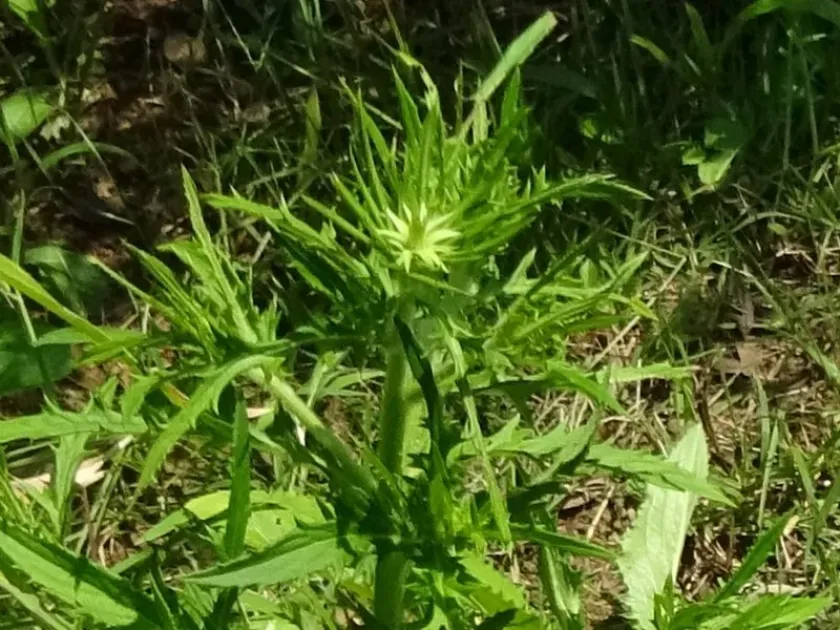
Description
Growing requirements
Cirsium dipsacolepis is a perennial herbaceous plant belonging to the Asteraceae family. Known for its distinct inflorescences, this species serves as a significant botanical element in the temperate ecosystems of East Asia, including regions across Russia, Japan, and the Korean Peninsula.
The plant thrives in regions characterized by humid, temperate climates. It predominantly occupies natural meadows, forest edges, and riparian zones. Such environments provide the stable moisture levels necessary for the optimal physiological development of this thistle species throughout the growing season.
Soil requirements for Cirsium dipsacolepis include well-drained, nutrient-rich soils with neutral to slightly acidic pH levels. It is particularly efficient at colonizing lands with good humus content, which supports its robust root system and facilitates long-term growth in fixed habitats.
Agricultural management involves careful monitoring of population density. Due to its propensity for vegetative propagation, adequate spacing is required to prevent competition between individual plants. Maintaining a balanced nutrient supply is crucial for sustaining the health and vigor of the biomass.
Economically, this species is explored for its potential role in honey production and its contribution to restoring biodiversity in degraded grasslands. Its structural integrity and ability to thrive in varied environmental niches make it a subject of interest for sustainable agricultural land use.
Main diseases and pests
The primary threats include fungal diseases such as leaf rust, which can proliferate in environments with high humidity and poor ventilation. Cultural control measures, such as proper spacing and removal of infected debris, are essential for maintaining crop health.
Pests that commonly affect the species include various beetles and larval stages of moths that feed on foliage or developing flower heads. Integrated pest management, focusing on biological controls and regular field inspections, remains the most effective strategy for mitigation.