
Chysis tricostata
Chysis tricostata
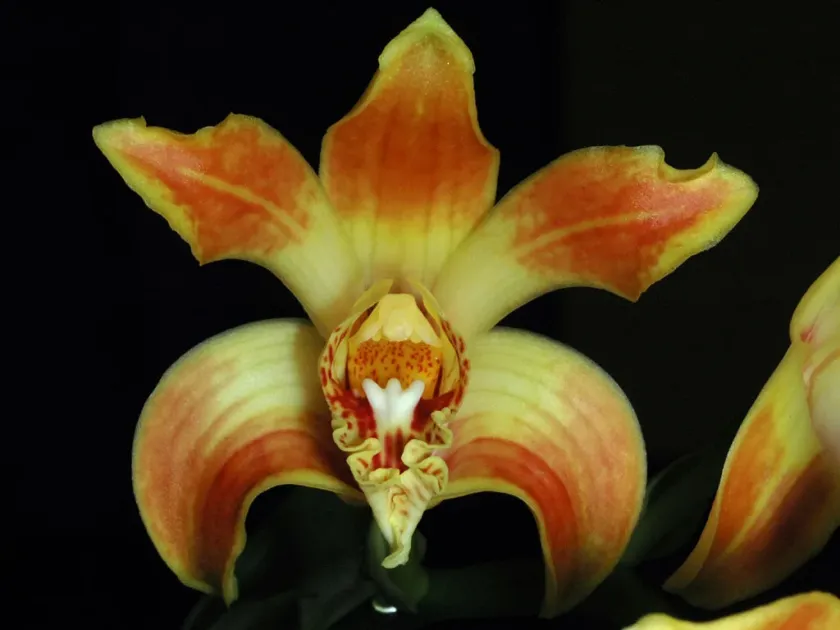
Description
Growing requirements
Chysis tricostata is an interesting species belonging to the Orchidaceae family, specifically recognized for its robust epiphytic nature. It is native to the tropical regions of Central America, where it thrives in high-humidity forests and mountain habitats.
The plant requires a strictly regulated environment to mimic its native tropical climate. It thrives in moderate temperatures, generally preferring daytime warmth around 25 degrees Celsius and a distinct cooling period at night to facilitate healthy metabolism.
High humidity levels are essential for the survival of this species, ideally maintained between 70% and 80%. Adequate ventilation is just as critical as moisture, as it helps to prevent stagnation and the development of mold on the root system.
When selecting a growing medium, it is recommended to use coarse-grade bark, charcoal, or specialized epiphytic mixes. The substrate must ensure rapid drainage and prevent the roots from remaining submerged in water for extended periods of time.
Lighting should be bright but filtered to avoid direct sun exposure, which can easily scorch the foliage of the plant. A location with consistent, diffused light is optimal to ensure the pseudo-bulbs develop correctly throughout the active growing season.
Main diseases and pests
Pathogenic fungi are a significant threat to Chysis tricostata, particularly when growing conditions include insufficient airflow combined with excessive watering. Root rot is the most common ailment that can cause the rapid decline of the entire plant.
Pests such as spider mites represent a persistent challenge for growers. These minute organisms thrive in warmer, drier indoor environments and can damage the epidermis of the leaves, leading to severe weakening of the orchid's overall structure.
Scale insects and mealybugs can also pose a serious threat by feeding on the sap of the plant. Their presence is often detected by the sticky residue they leave behind, which may lead to the formation of secondary soot mold on the plant surface.
Effective management requires the application of targeted insecticides as soon as any signs of infestation appear. Growers should regularly monitor the base of the pseudo-bulbs and the underside of the leaves to detect early colonization by pests.
Preventative health care is the most efficient way to manage the threats facing this crop. Keeping the growing area clean, ensuring proper air movement, and avoiding the over-fertilization of the substrate will maintain the plant in a state of high natural resistance.