
Chysis bractescens
Chysis bractescens
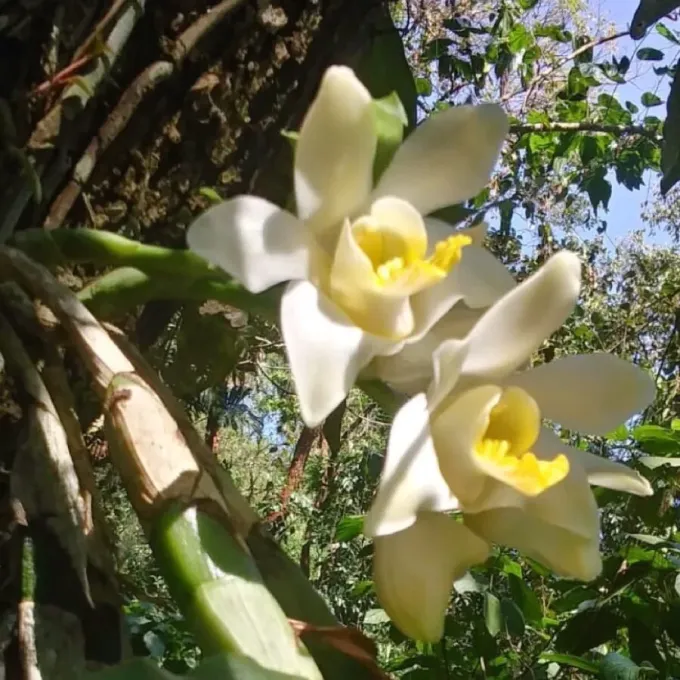
Description
Growing requirements
Chysis bractescens is an epiphytic orchid belonging to the Orchidaceae family, native to the tropical forests of Mexico and Central America. It is a highly sought-after species in specialized horticulture for its large, fragrant, white, waxy flowers that appear in spring.
The plant is characterized by its pendulous, fleshy pseudobulbs which serve as water storage organs. This morphology allows the orchid to withstand short periods of drought in its natural habitat, which is an essential biological trait for successful cultivation.
Regarding climatic requirements, the plant thrives in temperatures ranging from 22 to 26 degrees Celsius during the active growth period. As the plant enters dormancy, temperatures should be lowered to 15–18 degrees to encourage flower spike initiation.
Light intensity is critical; the plant requires bright, filtered light. Exposure to direct midday sun will damage the leaves, while insufficient light levels will prevent the formation of new, healthy pseudobulbs and decrease the likelihood of flowering.
For substrate, a mix of coarse orchid bark, perlite, and charcoal is recommended to ensure drainage. The plant prefers to be slightly pot-bound and should not be repotted too frequently, as it dislikes disturbance to its delicate root system.
Main diseases and pests
The primary threat to Chysis bractescens is root rot, typically caused by overwatering or stagnant moisture in the root zone. Ensuring excellent aeration and quick drying of the substrate is vital for preventing fungal pathogen proliferation.
Scale insects and mealybugs are the most common pests affecting this species. They often hide in the crevices of the pseudobulbs, making manual monitoring and regular cleaning of the plant's surface an essential part of the care routine.
Spider mites can become a major issue if the ambient humidity drops below the recommended threshold. These pests cause chlorosis and can eventually lead to leaf drop, significantly reducing the vigor of the orchid.
Fungal leaf spots may occur in conditions with poor air circulation and high humidity. Using systemic fungicides as a preventative measure during the humid summer months can mitigate this risk effectively.
Maintaining a clean growing environment is essential for prevention. Always sterilize cutting tools before pruning or dividing the plant to stop the transmission of viral diseases which are common in orchid collections.