
Chysis aurea
Chysis aurea
Description
Growing requirements
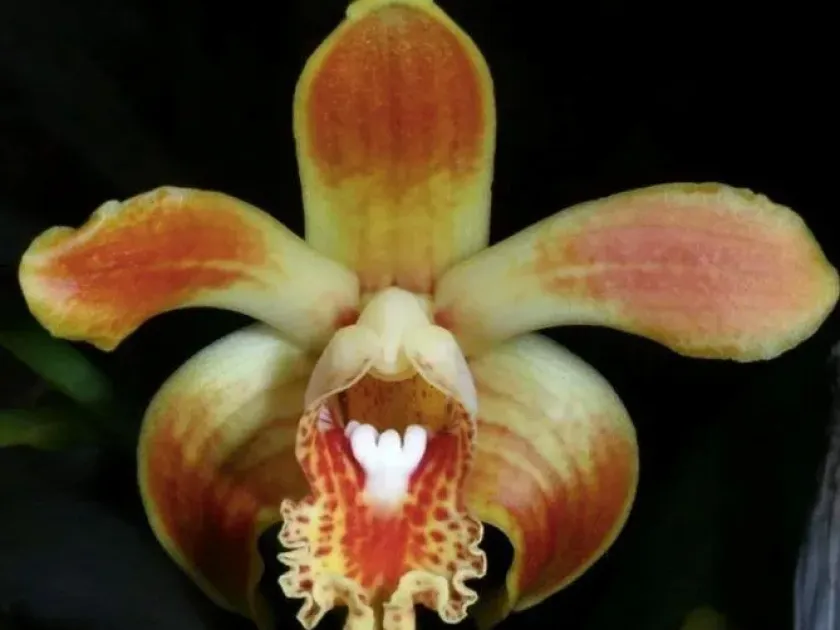
Chysis aurea is an epiphytic orchid belonging to the Orchidaceae family, native to the tropical forests of Central and South America. It is characterized by its distinct spindle-shaped pseudobulbs and pendent, waxy, golden-yellow inflorescences.
To ensure healthy growth, the plant requires a warm environment with daytime temperatures ranging from +20°C to +28°C. Providing high relative humidity, ideally between 70% and 80%, is essential for replicating its native forest habitat and preventing desiccation of the roots.
The substrate must prioritize drainage and aeration. A typical mixture consists of large-grade fir bark, perlite, and charcoal, which ensures that roots can breathe while maintaining a steady moisture level. The container used should allow for efficient water runoff.
Light intensity is a critical factor for the maturation of pseudobulbs. Chysis aurea thrives in bright, filtered light. During the peak summer season, shading is necessary to prevent leaf chlorosis and physiological damage caused by intense UV exposure.
Effective management includes distinct periods of growth and rest. During the active growing phase, regular fertilization with a diluted, balanced orchid fertilizer is recommended. During the dormant period, irrigation should be significantly reduced to induce flowering.
Main diseases and pests
Fungal infections, particularly root rot, are the most significant threats to Chysis aurea. These are largely caused by overwatering or using decomposed, compacted media that prevents oxygen from reaching the root zone.
Pests such as scale insects frequently attach themselves to the stems and leaves, extracting vital plant sap. Physical removal, combined with the application of horticultural oils or systemic insecticides, is necessary for effective management.
Spider mites can rapidly proliferate in warm, dry conditions, leading to stippling of the leaves. Maintaining adequate ambient humidity and good airflow is the primary preventive measure against these persistent arthropod pests.
Mealybugs are another common concern, often hiding in the crevices of the pseudobulbs. Consistent scouting and the immediate isolation of infected plants are essential to prevent the spread of these pests throughout a greenhouse collection.
Finally, improper water quality, specifically high mineral content, can lead to salt accumulation in the root zone. Periodically flushing the substrate with pure, distilled, or rain water is recommended to maintain optimal soil chemistry and plant health.