
Chysis limminghei
Chysis limminghei
Description
Growing requirements
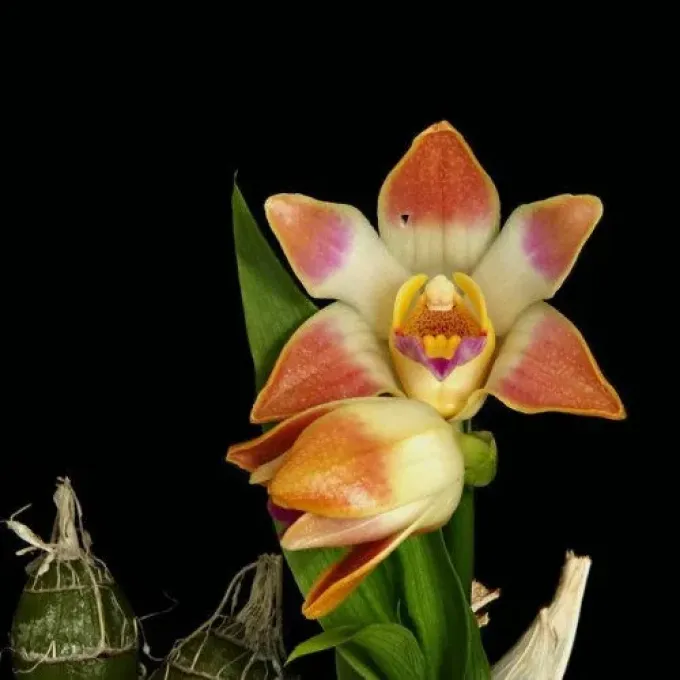
Chysis limminghei is an exquisite epiphytic orchid species belonging to the Orchidaceae family. Native to the tropical forests of Mexico, it is highly valued by collectors for its large, waxy, and fragrant flowers that appear in the spring.
To cultivate this plant successfully, one must mimic the conditions of a tropical canopy. It thrives best in bright, indirect light, which prevents leaf scorch while providing enough energy for the plant to develop its characteristic pendant pseudobulbs.
Temperature management is critical; the plant prefers a warm climate during the day with temperatures around 22–26 degrees Celsius. A significant drop in temperature during the night is essential to trigger the blooming process.
The potting medium must be porous and well-draining. A mix consisting of medium-grade bark, charcoal, and perlite is ideal. This ensures that the roots have constant access to oxygen, preventing the suffocation that occurs in denser soils.
Maintaining high atmospheric humidity is vital for the health of Chysis limminghei. In home environments, frequent misting or the use of humidity trays filled with pebbles and water can significantly improve the growth rate and prevent leaf tip dieback.
Main diseases and pests
The primary threat to the health of this orchid is improper watering, leading specifically to root rot. When the roots remain saturated for too long, they lose the ability to breathe, leading to rapid decay of the pseudobulbs.
Pests such as spider mites and mealybugs are the most common adversaries for this species. These insects thrive in dry, stagnant air, making consistent humidity and ventilation the best defense strategies for the grower.
Fungal infections can also occur if water is allowed to pool in the crown of the plant. It is recommended to perform all watering early in the day to allow any excess moisture on the leaves to evaporate before the nighttime temperatures drop.
Preventative care includes the application of mild horticultural oils or specialized insecticides if an infestation is detected. Keeping the plant in a clean environment and ensuring adequate space between pots helps to mitigate the spread of pests.
Viral infections represent the most severe threat to long-term plant health. Since there are no cures for viruses, strict sanitation practices, such as sterilizing cutting tools between plants, are essential to maintain a healthy collection.