
Chlorophytum saundersiae
Chlorophytum saundersiae (Baker) Nordal
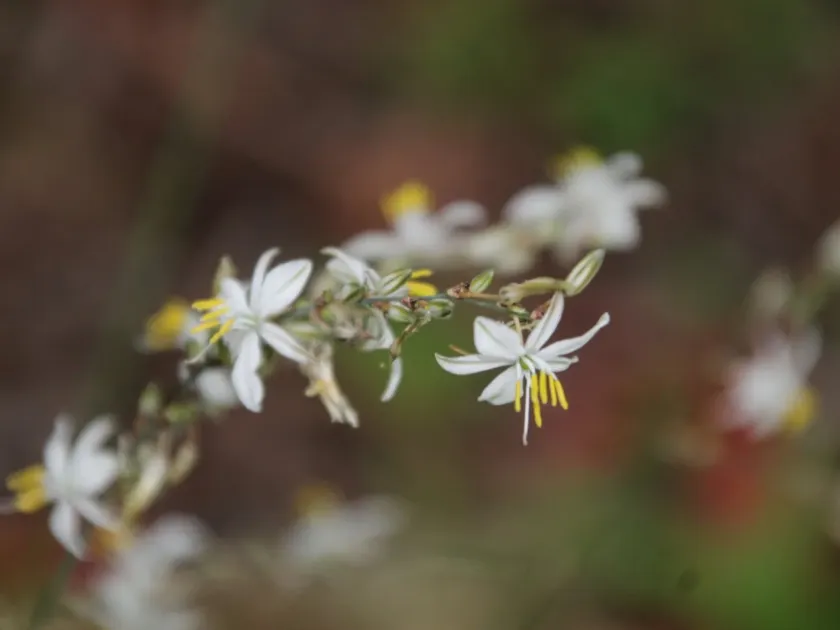
Description
Growing requirements
Chlorophytum saundersiae is a perennial herbaceous plant belonging to the Asparagaceae family. Native to the diverse regions of Southern Africa, it is widely recognized for its high ornamental value and structural versatility in various garden settings.
The plant features narrow, grass-like leaves that form dense, clump-forming rosettes. Unlike other species in the genus, this plant is increasingly used in sustainable landscaping projects due to its hardy nature and aesthetic appeal.
It thrives in well-drained, nutrient-rich soils with a pH ranging from slightly acidic to neutral. The species is highly adaptive to light conditions, ranging from deep shade to partial sun, provided it receives sufficient moisture to maintain its turgor.
Climate requirements include protection from extreme frost and prolonged freezing temperatures, which can damage the foliage significantly. The ideal growth temperature is consistently warm, supporting rapid root and leaf development.
Effective management includes maintaining a steady supply of moisture during the growing season while ensuring that the root zone does not become waterlogged. Mulching is recommended to regulate soil temperature and retain moisture in drier regions.
Main diseases and pests
Root rot remains the most critical threat to the crop, primarily caused by fungal pathogens in poorly aerated or waterlogged soils. Ensuring excellent drainage is the primary defense strategy for any agricultural setup.
Common pests such as spider mites and scale insects may infest the foliage, especially in low-humidity environments. Integrated pest management, including regular inspection and biological control methods, is advised for healthy plant maintenance.