
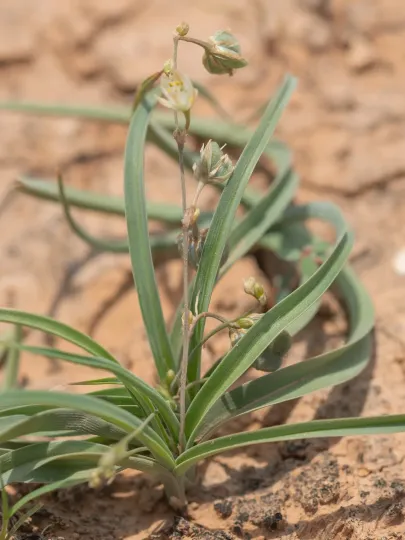
Chlorophytum laxum
Chlorophytum laxum R. Br.
Description
Sowing dates
Chlorophytum laxum belongs to the Asparagaceae family. This species is primarily propagated through vegetative means, such as the division of clumps or the use of offset plantlets, which are effectively generated from the floral stalks during the growing season.
While seed propagation is biologically possible, it is rarely used in commercial horticulture due to the extended germination time and lower reliability compared to clonal propagation. Seeds require a consistent temperature of approximately 22-25 degrees Celsius and high humidity to emerge successfully.
The optimal time for transplanting or dividing Chlorophytum laxum is early spring. During this phase, the plant transitions into active growth, which facilitates rapid establishment of the root system in new containers or soil beds.
When selecting a nursery container, it is essential to ensure adequate drainage holes. The root system of this species is fleshy and sensitive to waterlogged conditions, making the choice of potting medium and container vital for long-term health.
Commercial producers focus on maintaining genetic consistency by favoring mother plants with well-defined leaf characteristics for vegetative multiplication, ensuring uniform quality of the final crop.
Growing requirements
This species is native to tropical habitats and thrives in stable environments. It requires a temperature range between 18 and 25 degrees Celsius. Extreme cold or rapid temperature drops should be avoided to prevent physiological damage.
The soil profile must be nutrient-rich, airy, and well-draining. A standardized mixture of peat, loam, and coarse perlite or sand is generally recommended to provide the necessary structure and aeration for the tuberous roots.
Light requirements are moderate. While the plant can tolerate lower light, bright, indirect sunlight is preferred to maintain the vibrancy of its leaves. Excessive direct sunlight should be avoided as it leads to leaf bleaching and tissue stress.
Irrigation practices must be balanced to maintain moist but not saturated soil. Overwatering is the most common cause of crop failure, leading to root rot and diminished plant vigor, particularly in lower temperature regimes.
Nutrient management involves applying balanced liquid fertilizers during the peak growing season. Nitrogen-rich fertilizers should be applied with caution to avoid excessive, succulent growth that can be susceptible to mechanical damage.
Main diseases and pests
Chlorophytum laxum is susceptible to several common greenhouse pests, including spider mites, mealybugs, and scale insects. Regular monitoring and integrated pest management (IPM) strategies are crucial for maintaining crop quality.
Root rot is the most significant disease threat, typically caused by Pythium or Phytophthora species thriving in waterlogged substrates. Prevention centers on strict irrigation control and the use of sterile growing media.
Leaf tip necrosis is a frequent issue, often linked to high mineral salt accumulation in the soil or fluoride sensitivity. Using high-quality water and leaching the soil periodically can mitigate this physiological disorder.
Chemical control should be applied sparingly, with preference for systemic insecticides and miticides that show minimal phytotoxicity. Always follow label guidelines regarding application rates and safety intervals.
- Spider mites (Tetranychidae)
- Root rot (fungal pathogens)
- Mealybugs (Pseudococcidae)
- Scale insects (Coccidae)