
Chlorophytum orchidastrum
Chlorophytum orchidastrum Lindl.
Description
Growing requirements
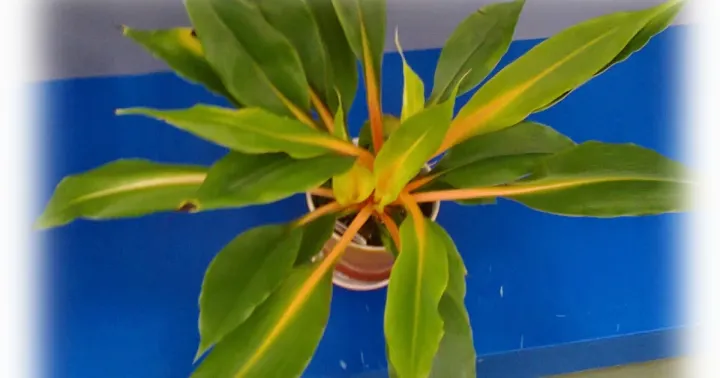
Chlorophytum orchidastrum is a perennial herbaceous plant belonging to the Asparagaceae family. Its natural habitat includes the tropical rainforests of West and Central Africa, which dictates its preference for stable environmental conditions.
The plant thrives in bright, indirect light and prefers temperatures ranging between +18 °C and +25 °C. It is particularly sensitive to direct sunlight, which can bleach its foliage, and to cold drafts that may inhibit its growth rate.
The cultivation requires a well-draining, nutrient-rich substrate. A mixture of peat-based potting soil combined with perlite or coarse sand is recommended to maintain the necessary aeration for the root system and prevent compaction.
Watering practices are critical for this species. It requires consistent moisture during the active growing season, but the soil surface should be allowed to dry out between waterings to avoid anaerobic conditions and root decay.
This crop is primarily utilized as an ornamental plant in interior landscaping. Beyond its aesthetic value, it is widely recognized for its high capacity to improve indoor air quality by absorbing common pollutants.
Main diseases and pests
The most common pests affecting Chlorophytum orchidastrum are spider mites and scale insects, which often thrive in environments with low air humidity. Regular misting or the use of humidifiers can help mitigate these risks.
Root rot remains the most significant pathological threat, usually caused by overwatering or poor drainage systems in the container. Proper cultural practices, including the use of high-quality substrates, are the main methods of disease prevention.