
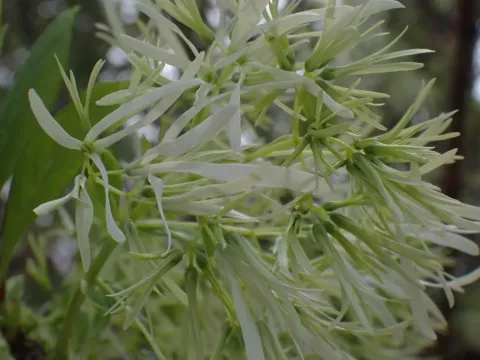
Chionanthus
Chionanthus L.
Chionanthus is a genus of deciduous shrubs and small trees within the Oleaceae family. Known commonly as fringe trees, these plants are highly valued in ornamental horticulture for their unique, feathery, white inflorescences.
What the section contains


Chionanthus
Native to warm temperate and subtropical regions of North America and Asia, the plant thrives in areas with adequate seasonal rainfall. It prefers full sun exposure but can tolerate partial shade in hotter climates to prevent leaf scorch.
The ideal soil for Chionanthus is deep, fertile, and well-draining, with a slightly acidic to neutral pH. It does not perform well in heavy, waterlogged soils, which can lead to root system decay and poor plant vigor.
Maintenance involves consistent irrigation during dry spells to maintain soil moisture, as the plant is not strictly drought-tolerant in its juvenile stage. Applying a layer of organic mulch around the base aids in moisture retention.
While the plant is generally hardy, cold protection might be necessary in northern regions during the first few years after planting. Proper site selection in a wind-sheltered area significantly increases the longevity of the specimen.
Chionanthus is relatively resistant to severe pest infestations, but it can be susceptible to leaf spots caused by fungal pathogens, especially in high humidity or stagnant air conditions.
Scale insects and leaf-rollers are the most frequent pests observed on this culture. They typically target young foliage and succulent stems, which requires timely inspection to manage populations before they cause damage.
Root rot is a major threat caused by poor soil drainage. When planting, ensuring the soil structure allows for rapid water drainage is the most effective preventative measure against these soil-borne pathogens.
Integrated Pest Management (IPM) practices are recommended, focusing on maintaining plant health through proper nutrition and hydration to naturally increase the plant's resistance to environmental stress.
If chemical intervention is required, selectively applying horticultural oils or systemic insecticides during the dormant season or early growth stages provides the best results with minimal impact on beneficial garden insects.