
White fringe tree
Chionanthus virginicus L.
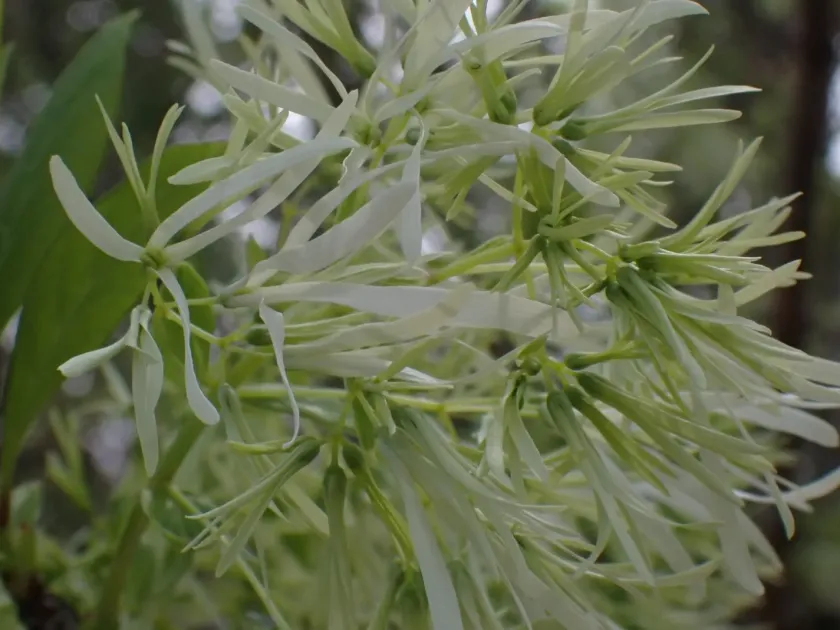
Description
Sowing dates
Propagation of the white fringe tree is typically achieved through seeds, which exhibit physiological dormancy and require a long stratification period. Sowing seeds outdoors in late autumn is often the most effective method, allowing them to undergo natural winter cycles.
For controlled propagation, seeds require a period of warm stratification followed by several months of cold stratification. This dual process is essential for breaking dormancy and ensuring high germination rates.
Cuttings can be taken in mid-summer, although they often present challenges in rooting. Using high-quality rooting hormones and maintaining high humidity levels in a propagation case is necessary to improve the success rate.
Transplanting saplings should be timed for the early spring before active growth begins. Selecting the right location is critical, as this plant does not respond well to frequent relocation once established.
During the first year, young plants must receive consistent moisture. Mulching is highly recommended to regulate soil temperature and retain moisture, which helps the developing root system flourish.
Growing requirements
Chionanthus virginicus, a member of the Oleaceae family, is native to the southeastern United States. It is prized as an ornamental specimen, recognized for its dramatic, feathery clusters of white flowers in spring.
The ideal soil conditions for this species are moist, fertile, and rich in organic matter. While it prefers well-drained soils, it is known to tolerate periodic moisture levels better than many other ornamental trees.
Exposure to full sun is ideal for promoting maximum bloom density and structural growth. However, in regions with intense summer heat, light afternoon shade can protect the foliage from scorching.
The plant is relatively hardy across various temperate zones. While mature trees are quite resilient, young specimens should be protected from harsh winter winds to prevent branch dieback.
Cultural maintenance includes minimal pruning. Since the plant has a naturally attractive, rounded form, only dead or crowded branches need to be removed to maintain the tree's health and appearance.
Main diseases and pests
The white fringe tree is generally free of serious pest problems. However, it is susceptible to the emerald ash borer, a significant threat to members of the olive family that can cause widespread damage to woody tissue.
Root rot is a potential concern if the tree is planted in heavy, poorly draining soils. Proper site selection and soil amendment are the primary defenses against this soil-borne issue.
Occasional infestations of scale insects or mites may occur during periods of environmental stress. Regular visual inspections are recommended, particularly on the undersides of leaves and along stems.
Powdery mildew may occasionally appear during seasons with high humidity and poor airflow. Managing the density of the planting area can help mitigate this risk by encouraging natural ventilation.
Maintaining a healthy, well-mulched soil environment reduces plant stress, which remains the best long-term strategy for preventing disease and ensuring vigorous growth throughout the tree's lifespan.