
Chionanthus broomeana
Chionanthus broomeana
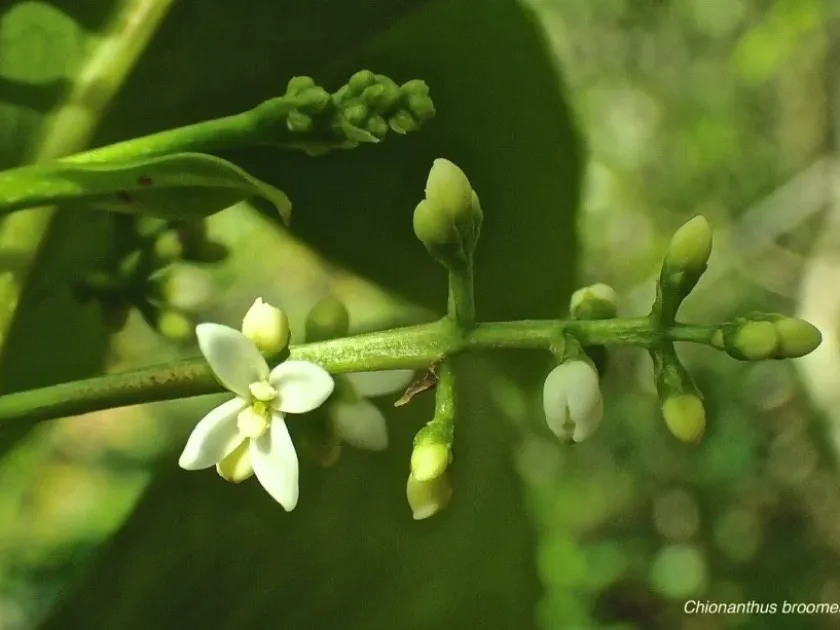
Description
Sowing dates
Sowing seeds of Chionanthus broomeana is typically performed in autumn to ensure natural stratification in the open ground. Seeds require a long period of cold treatment for successful germination the following spring.
In commercial nurseries, seeds are sown in containers with a well-drained substrate containing peat and sand. This approach allows for better moisture control and prevents rotting of the material before germination occurs.
For vegetative propagation, stem cuttings are commonly used during the summer months. Semi-hardwood cuttings are treated with rooting hormones to increase the overall success rate of plant establishment.
The temperature regime for successful germination must be stable, avoiding sharp fluctuations. The optimal temperature for seedling emergence is around 18–22 degrees Celsius with adequate soil moisture.
Transplanting seedlings to their permanent location is recommended in spring after the threat of frost has passed. The root system adapts most effectively to new soil conditions during this active growth phase.
Growing requirements
Chionanthus broomeana is a deciduous shrub or small tree belonging to the Oleaceae family. The plant is highly valued for its adaptability and specific requirements regarding light exposure and soil composition.
It prefers sunny, wind-protected locations but can tolerate light shade. Quality lighting is crucial for abundant flowering and the development of a healthy, balanced plant structure.
Soils must be fertile, with a neutral or slightly acidic pH. Effective drainage is a mandatory requirement, as the culture is highly sensitive to waterlogging in the root zone.
The plant shows moderate drought tolerance but requires regular watering during hot summer months to maintain its ornamental value. Mature specimens are better equipped to withstand short dry spells.
Systematic sanitary pruning is necessary to maintain the plant's structural integrity. It is conducted in early spring by removing damaged or dry branches to improve airflow within the crown.
Main diseases and pests
Common pests affecting Chionanthus species include various types of scale insects. These pests feed on the plant's sap, which can lead to weakened vitality and the deformation of new shoots.
Spider mite infestations may occur under conditions of high temperatures and low air humidity. Regular inspection of the underside of leaves allows for early detection of these pests.
Among fungal diseases, powdery mildew is the most dangerous, manifesting as a white coating on leaf surfaces. Fungicides based on copper or sulfur are effective for disease management.
Root rots can occur due to improper agricultural practices and excessive moisture. Prevention involves maintaining a proper irrigation schedule and using loose, porous soil mixes.
Aphid presence on young spring growth must be monitored. When colonies are identified, bio-based pesticides or soapy solutions are effective for managing these populations with minimal environmental impact.