
Chionanthus albidiflorus
Chionanthus albidiflorus
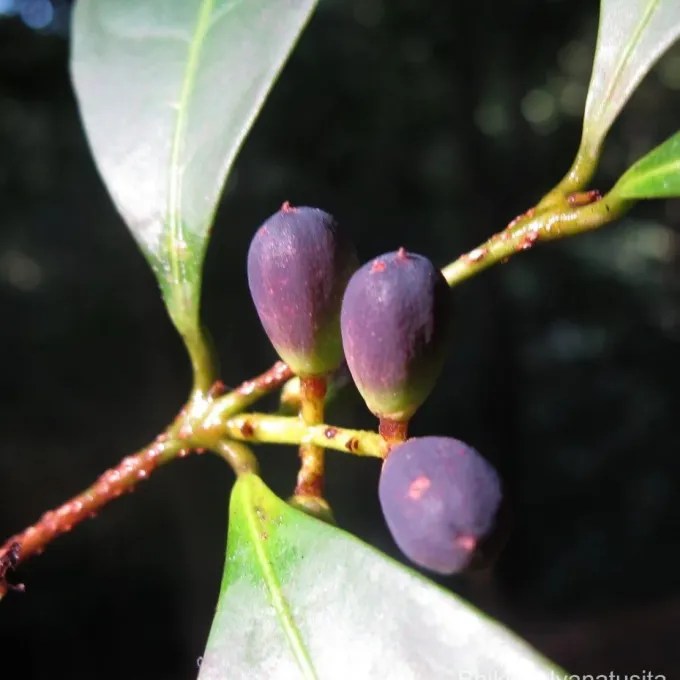
Description
Growing requirements
Chionanthus albidiflorus belongs to the Oleaceae family and is recognized for its unique botanical profile. As a member of this family, it requires careful attention to environmental stability to ensure healthy growth and long-term survival in garden conditions.
The plant thrives in regions where it receives ample sunlight, though it benefits from partial shade during the most intense afternoon heat. Consistent warmth is essential, as the species is sensitive to extreme frost and abrupt temperature drops during the early spring.
Soil quality is paramount for this species; it prefers well-draining, nutrient-rich substrates. The ideal pH level is slightly acidic to neutral, allowing the root system to efficiently absorb necessary micronutrients and minerals for proper physiological development.
Maintenance practices include routine watering schedules that keep the soil consistently moist but never waterlogged. Fertilization should be applied sparingly, ideally focusing on organic-based nutrient sources in the early spring before the buds begin to swell.
Economically and aesthetically, Chionanthus albidiflorus is utilized extensively as an ornamental specimen in landscaping. Its ability to serve as a focal point in specialized gardens makes it a highly valued asset for landscape architects and private collectors.
Main diseases and pests
Common health threats include various fungal infections that flourish in stagnant air environments. These pathogens typically attack the foliage, necessitating regular canopy thinning and the removal of infected plant debris to mitigate the risk of spreading.
Insect pests such as scale insects and aphids are the primary concern for the overall vigor of the shrub. Implementing an integrated pest management strategy, including both biological controls and targeted chemical treatments, is vital to maintaining the plant's health and structural integrity.